Radiation Therapy Basics: How It Targets Cancer Cells Radiation therapy is one ...See More
Sep 09, 2026

Advanced Treatment Techniques for Personalized Cancer Therapy and Optimal Outcom

Harnessing State-of-the-Art Technology for Precise and Effective Cancer Treatmen
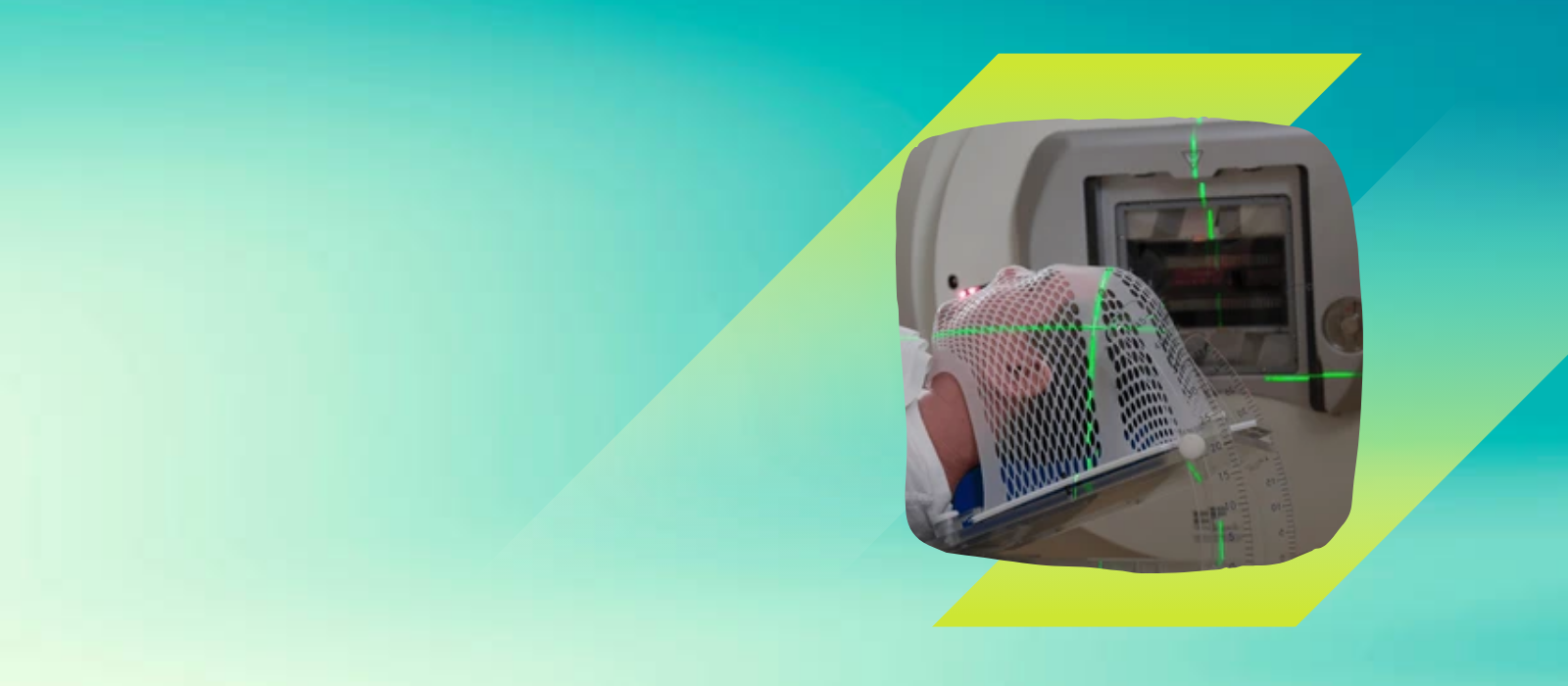
Combining Advanced Techniques and Compassionate Care

Compassionate Care, Proven Results

Innovative Radiation Therapy Delivered with Compassion, Focused on Your Healing

.png)
.png)
.png)
.png)
About Us
Overall Experience
National and International Publications
Happy Patients








Cutting-Edge Therapies for Personalized, Compassionate Patient Care
.png)
Stay informed with our latest updates, posts, announcements, and healthcare news
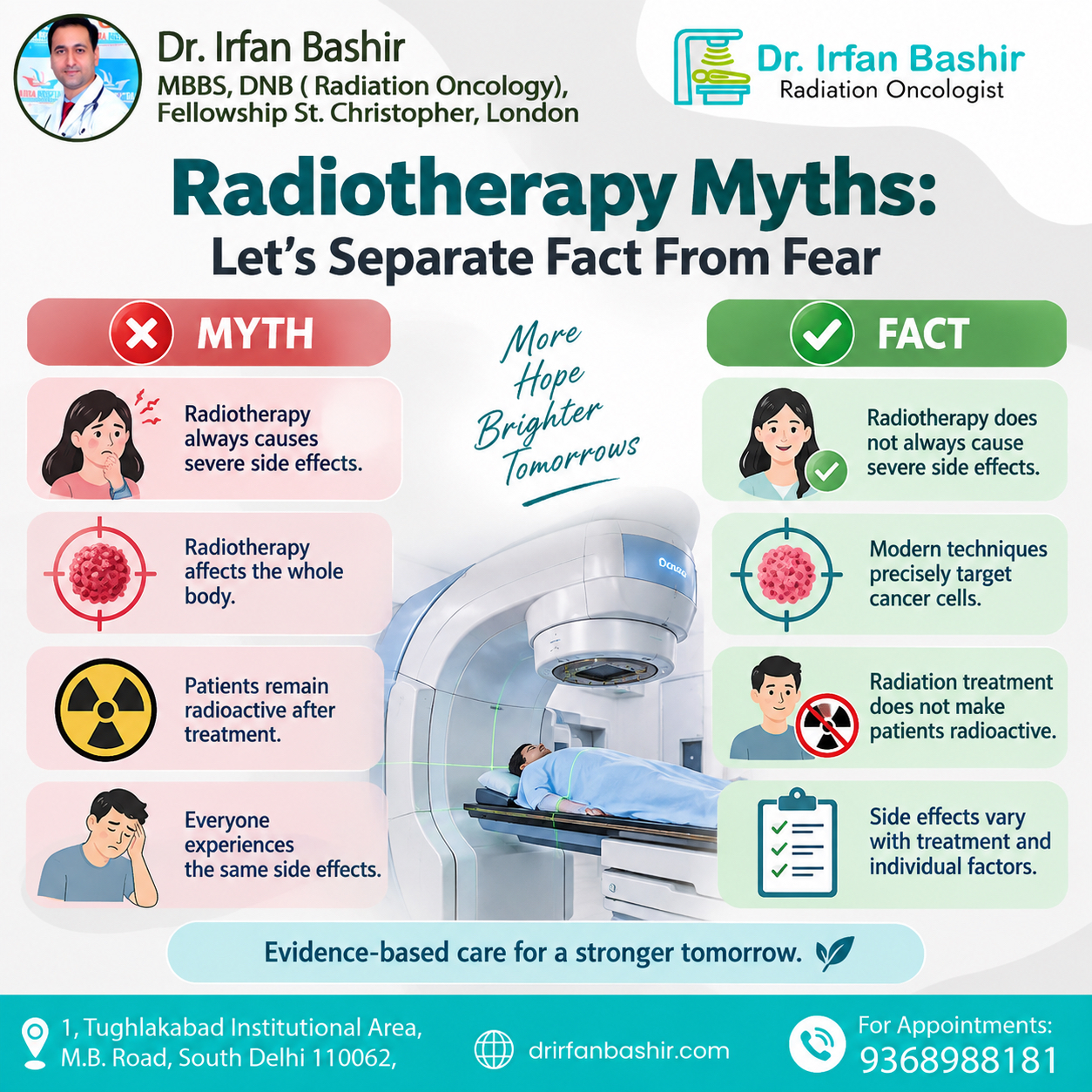
Radiation Therapy Basics: How It Targets Cancer Cells Radiation therapy is one ...See More
Sep 09, 2026
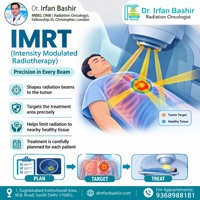
IMRT delivers radiation more precisely to the treatment area while helping reduc...See More
Aug 26, 2026
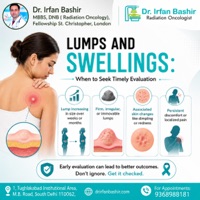
Not all lumps are dangerous, but persistent or growing lumps should never be ign...See More
Aug 21, 2026
Your health is one of your greatest assets, and every small step toward preventi...See More
Aug 20, 2026
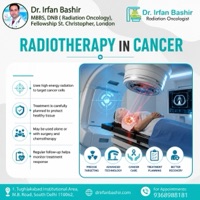
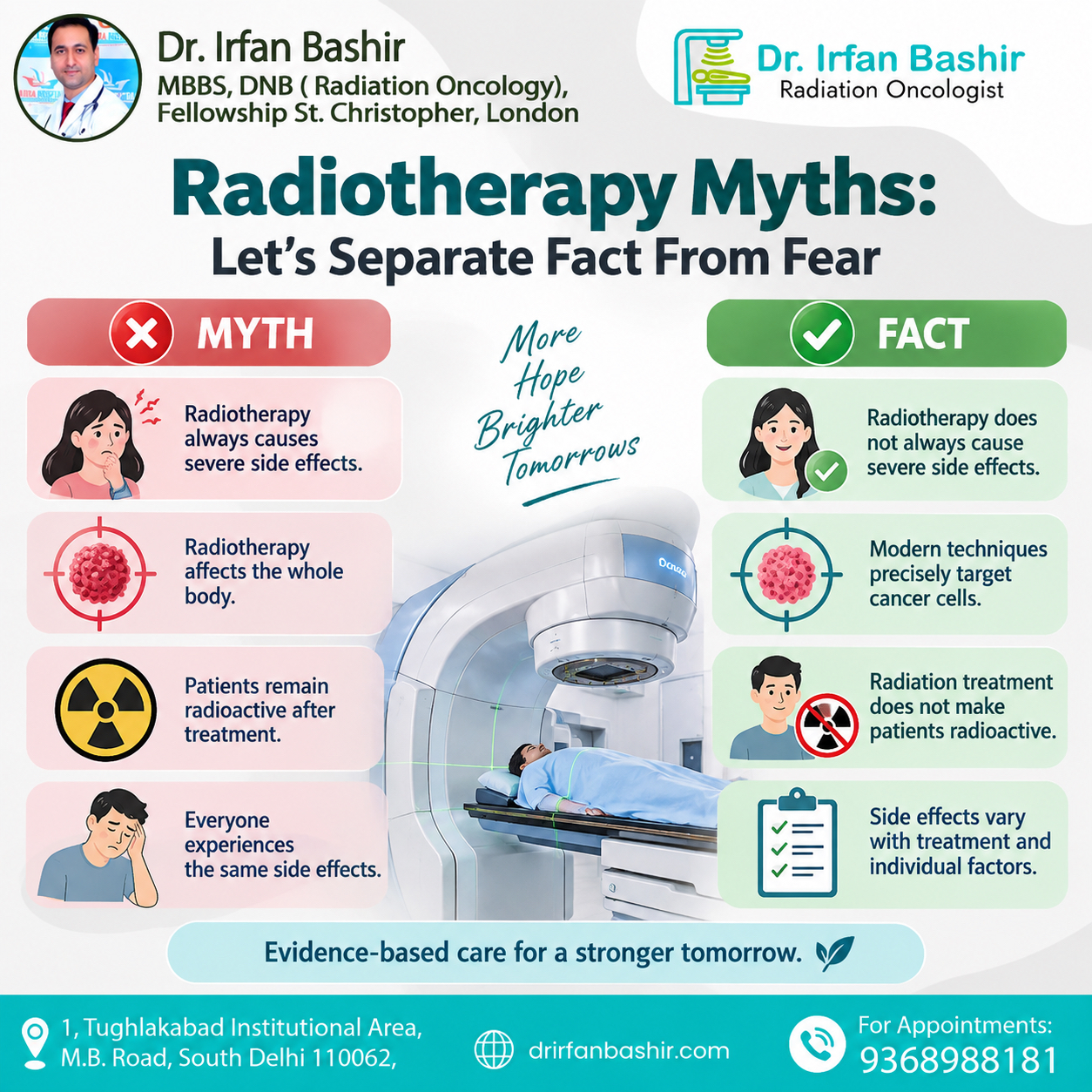
Radiotherapy is an important part of cancer treatment for many patients, using p...See More
Aug 18, 2026
This Independence Day, let's celebrate the freedom to live a healthy, active, an...See More
Aug 15, 2026
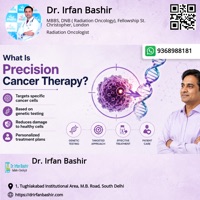
Precision cancer therapy uses the unique characteristics of a person's cancer to...See More
Aug 14, 2026
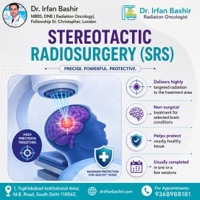
Stereotactic radiosurgery (SRS) is a noninvasive treatment that delivers highly ...See More
Aug 13, 2026
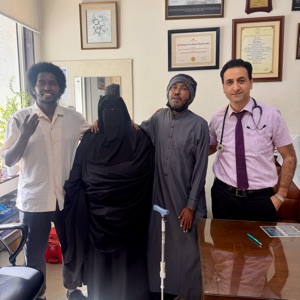
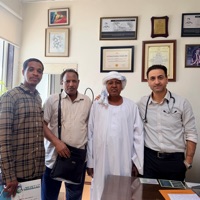
I'm glad that the patient from Kenya is receiving radiotherapy at our centre. It...See More
Mar 19, 2026
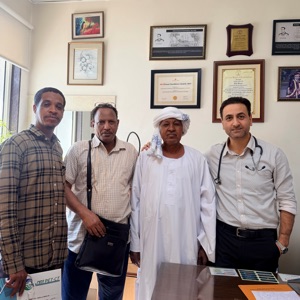
Cross-border medical collaborations often allow for the sharing of cutting-edge ...See More
Feb 25, 2026
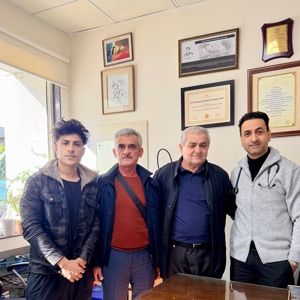
Fractionated Stereotactic Radiosurgery (FSRS) is a precise treatment for vestibu...See More
Jan 29, 2026
Radiation Oncologist
.jpeg)
What our Patients says about us
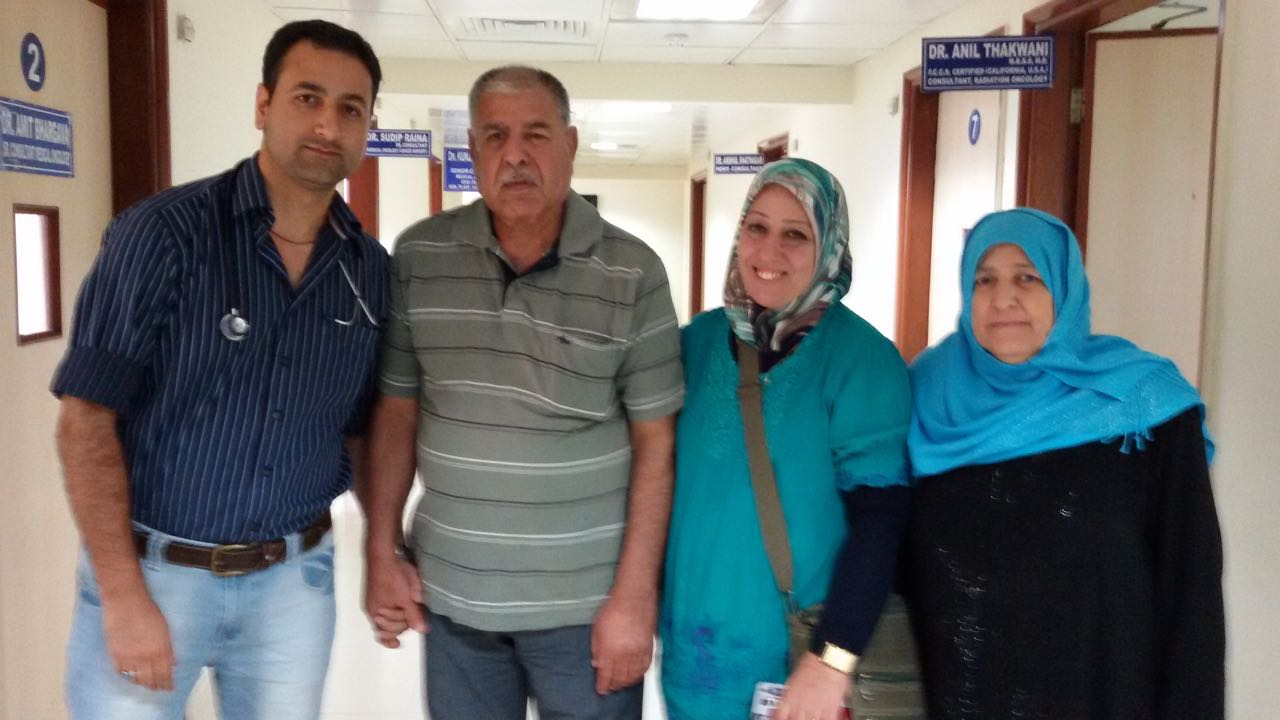
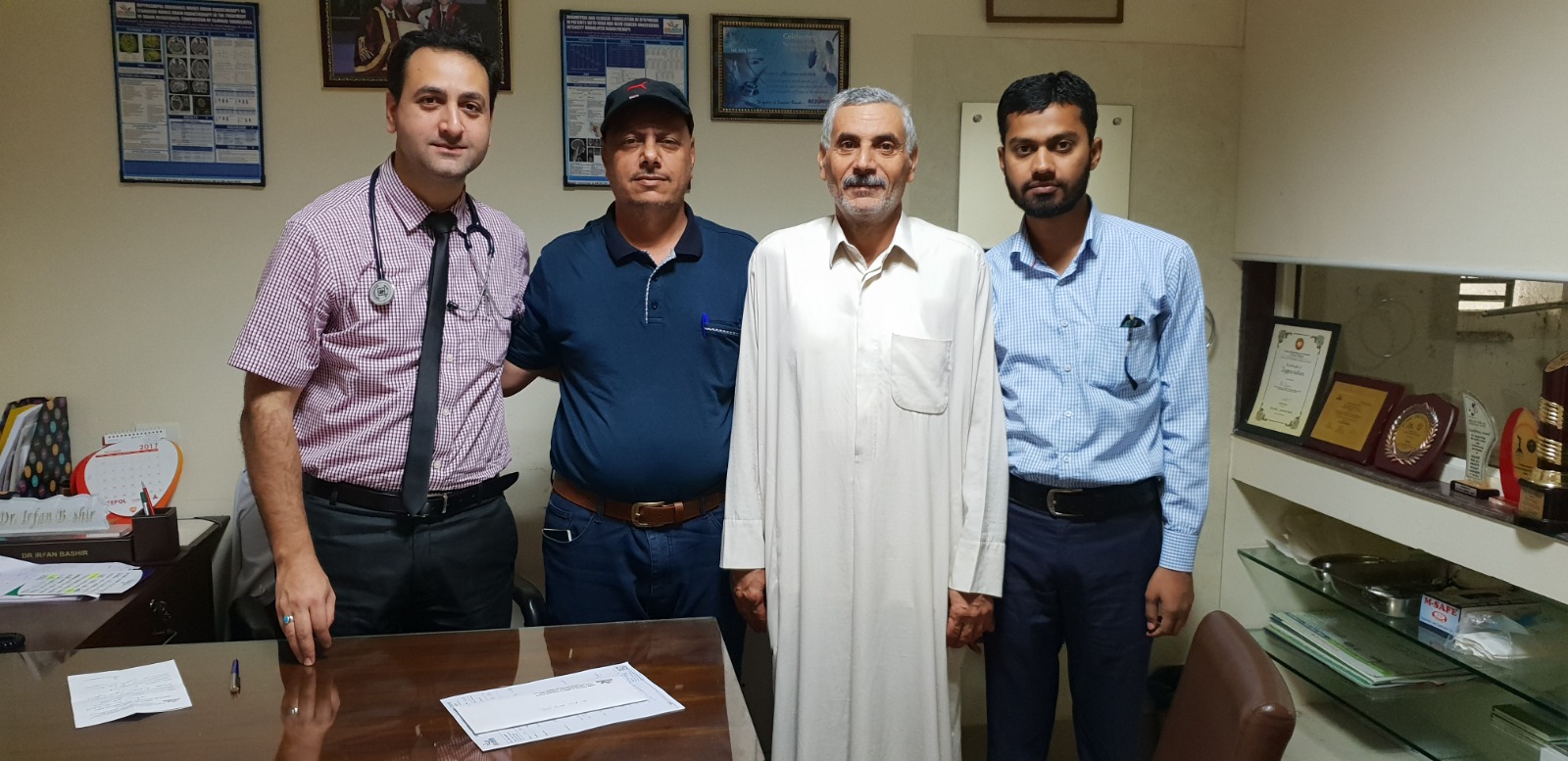
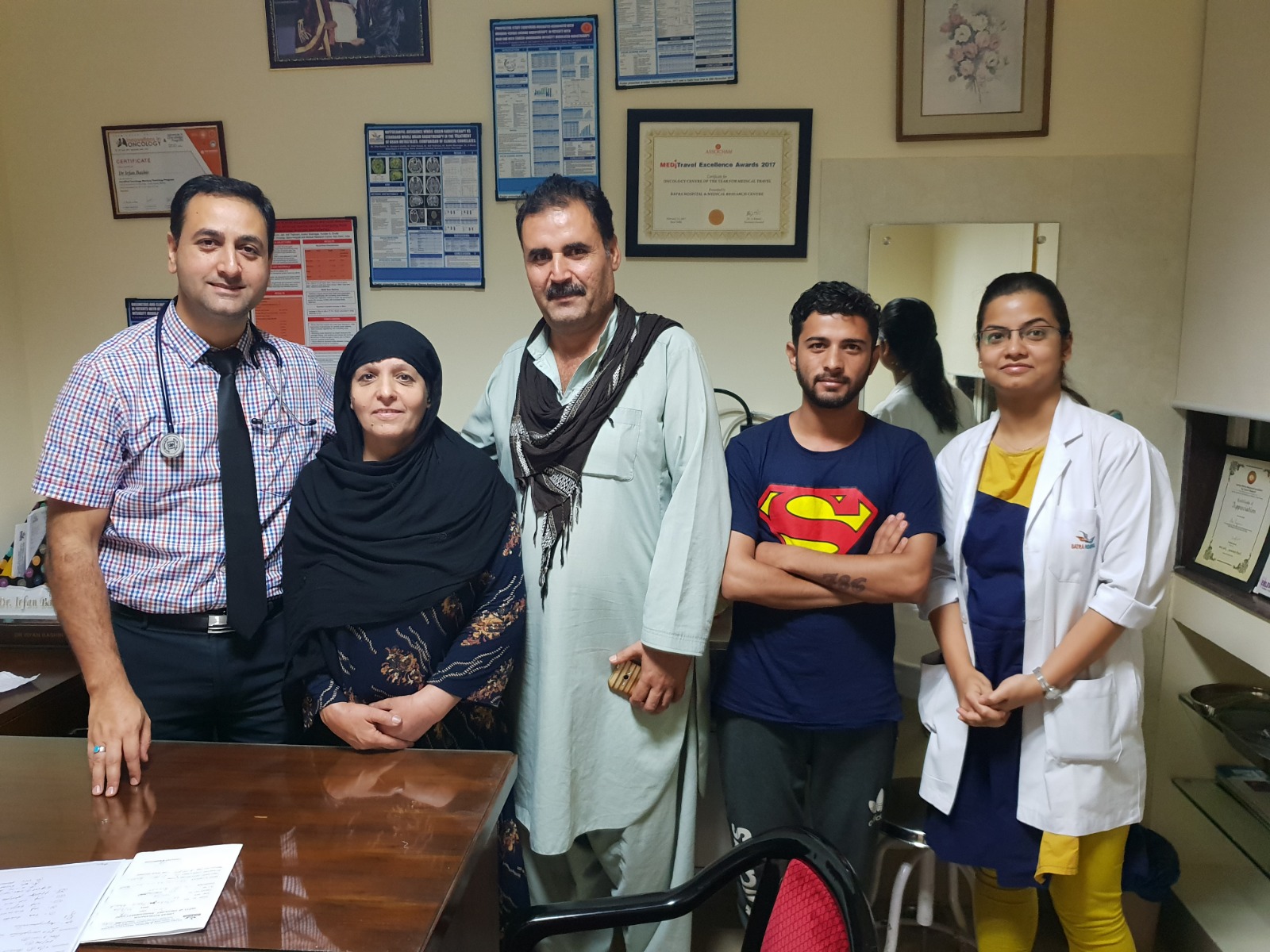
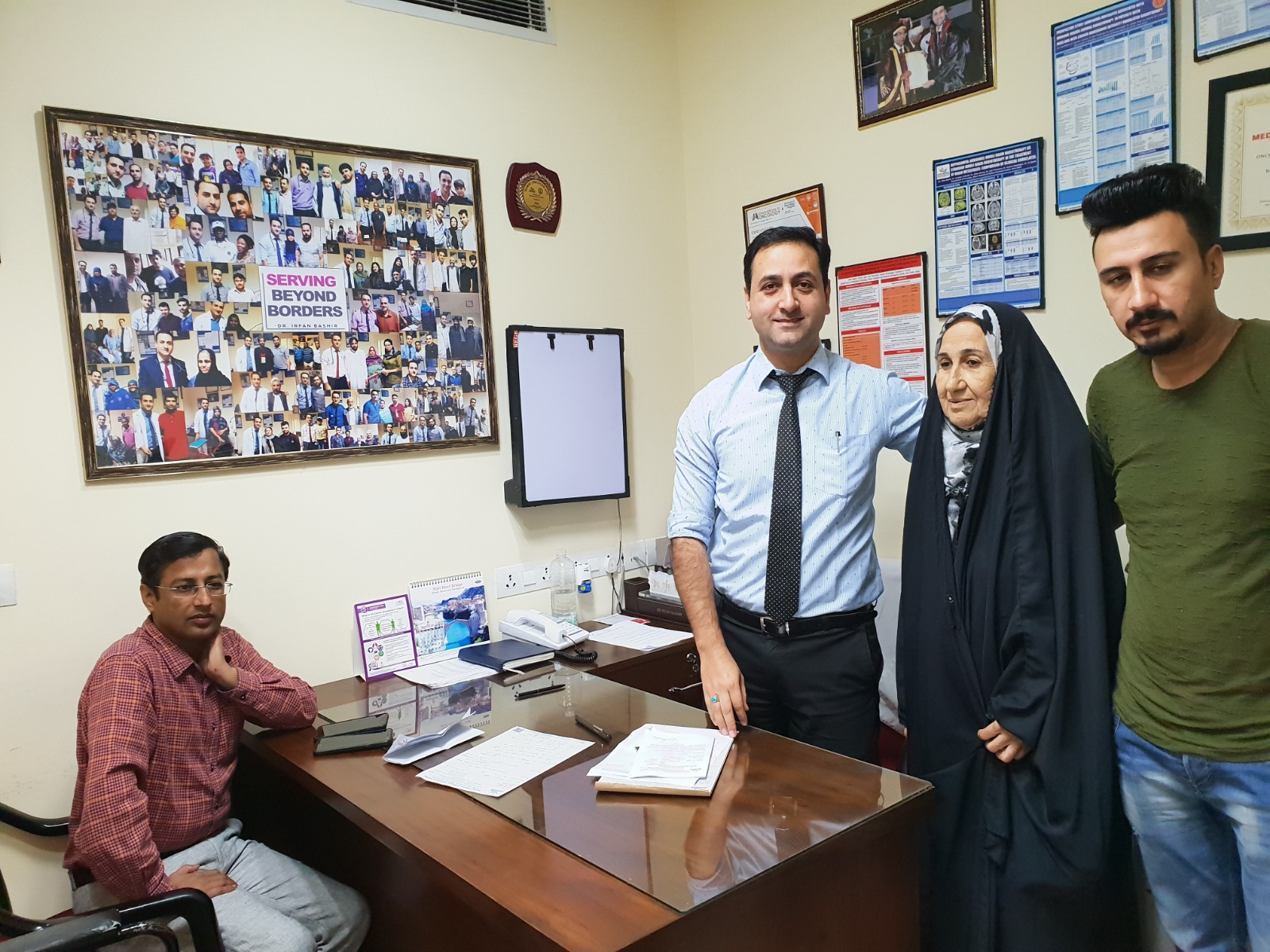
Dr Irfan Bashir is a nice gentleman associated with Batra Hospital Delhi. His behavior towards his patients and their associate is very nice. His advise and knowledge in His subject is remarkable. I wish him all the best

I met with Dr. Irfan sir ,when my father was diagnosed with spinal cord compression due to the tumor in lumbar spine. He handled my case as someone is handling like a own family member, he is very soft spoken, generous and helping man. His attractive attributes are he response any peak of time whenever you need and he suggest something which will immediately sooth the patient. He is always eager to help the patient in terms of financial also as it happened in my case. I just pray to god give him a lots of happiness and bright future ahead
Dr. Irfan is a doctor in the true sense of the word - Apart from being an expert in his area of focus, he comes out as a very gentle and humble human being who uses empathy as a tool to make his patients feel safe and cared for. I used to consult Dr. Irfan for my father in law and he always had only good words to say about Dr. Irfan. A very good natured and well spirited doctor.
My aunt was suffering from cancer from a long time and it was just we have lost hope. But thanks to Dr. Irfan his humble nature ,patience and expertise not only helped her to show recovery from cancer but also helped her to get out of depression. I am highly thankful to Dr. Irfan. I recommend him for his best practices.
Dr. Irfan Bashir is a naturally gifted and talented doctor. A professional that knows and hold his work dear to the heart. If you have any need to consult an oncologist, never think twice, travel far and wide from anywhere you are in the globe and present your case and you’ll be glad to have made the right choice. Words can not express my satisfaction of the treatment plan he designed for my dad who is suffering from multiple myeloma and just barely two weeks into the treatment, there was tremendous improvement. Thank you so much doctor and may Almighty increase your wisdom and always guide you right. Amin
Dr. Irfan Bashir is a gem of a person who listens and understands the patient's concern in a very calm manner. He is a highly experienced, humble and down to earth personality. My mother had first stage endometrium cancer and he treated her very well. My entire family is thankful to him.
He is one of the finest doctors I've come across. My grandfather was suffering from small cell lung cancer we discovered it at age of 79 after visiting so many well known hospitals we couldn't get the right treatment for him his condition was deteriorating day by day then a doctor from one hospital referred Dr Bashir he came as a blessing in my grandfather's life. He started to taking care of my grandfather's case and my grandfather was so relieved by his medicines and treatment. This was his duty as well but other than this he is very humble in nature always very supportive. There was a time when we were in our hometown in hills and couldn't visit the hospital but at that time also he always assisted and supported us in each and every possible way. Infact my grandfather only trusted him out of all the doctors he had met. He is one the most trusted doctor with a very humble heart.
I met Dr. Irfan Bashir when my grandmother was getting treated for cervix cancer years back in Batra hospital. Over the years my interaction with him has been wonderful because inspite of having a busy schedule Dr. Irfan was always there to give the correct information & has been emphathatic towards patients and care takers. His approach has always been to intently listen to the patients first, provide right diagnosis & help in the healing process. I wish him the best and the world is a better place because of doctors like him.
From DJIBOUTI first time i went to india for médical traitement i meet a brother a doctor not like other. Dr Irfan bashir a very talented doctor the honest and best oncologie that i meet very kind, and worse very generous who knew how to reassure people when they fall in dépression, a that time he hold me and told me that everything will be fine In a very difficul moment of my life, indeed he treated my mother who was suffered cancer about 2 years ago from this while she was in pain in a wheelchair and today she resumed walking at 2 feet Al hamdu Lillah with the help of Allah and the doctor who take good care of her and until today I owe him a lot of thanks Allah gave us a chance to see our Mother so happy and always u are in our mind love u so much Dr irfan
Dr Irfan is not only a greatest oncologist but a super sympathetic personality I have ever met... My uncle was suffering from CA and we were all depressed and hopeless... But the way he treated and satisfied us was so sophisticated, ,,we are so thankful to you Sir ji Thanks a lot.
My mother underwent radiation therapy for colorectal cancer under the care of Dr. Irfan Bashir, Radiation Oncologist at Batra Hospital, last year. Dr. Bashir demonstrated exceptional expertise and professionalism throughout her treatment. He explained every stage with clarity and patience, helping us understand the process and stay positive during a very challenging time. His calm and compassionate manner made a tremendous difference to both my mother and our family. Even after treatment, he remained approachable and responsive, always willing to guide us whenever needed. We are deeply grateful for his dedication and genuine concern for his patients. I highly recommend Dr. Bashir for his skill, empathy, and commitment to quality cancer care.
Our Latest Videos



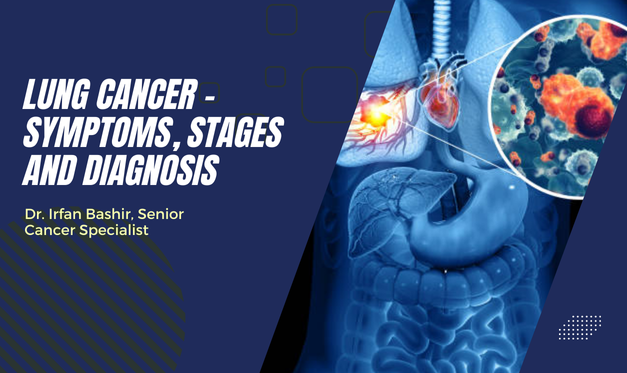
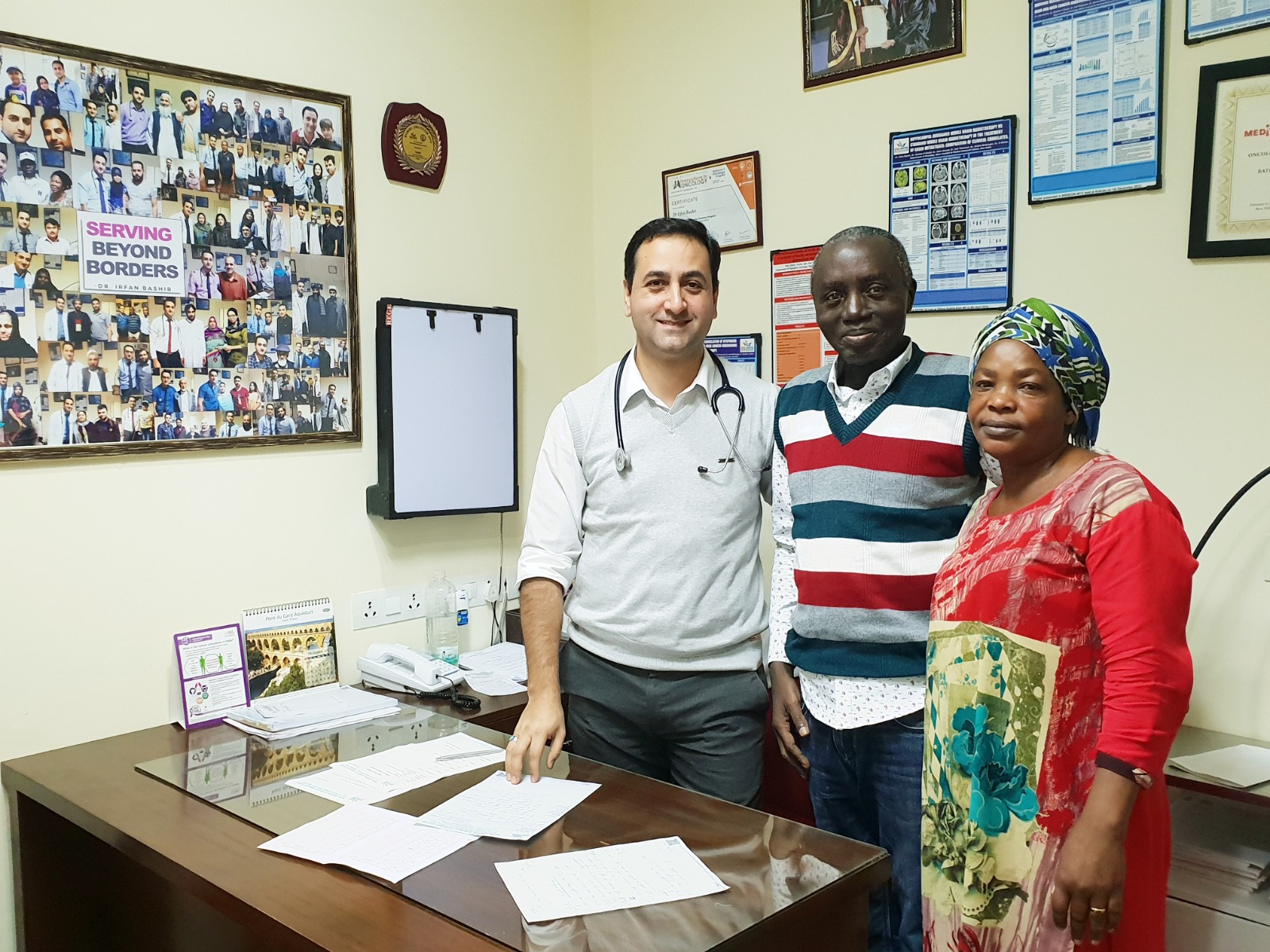
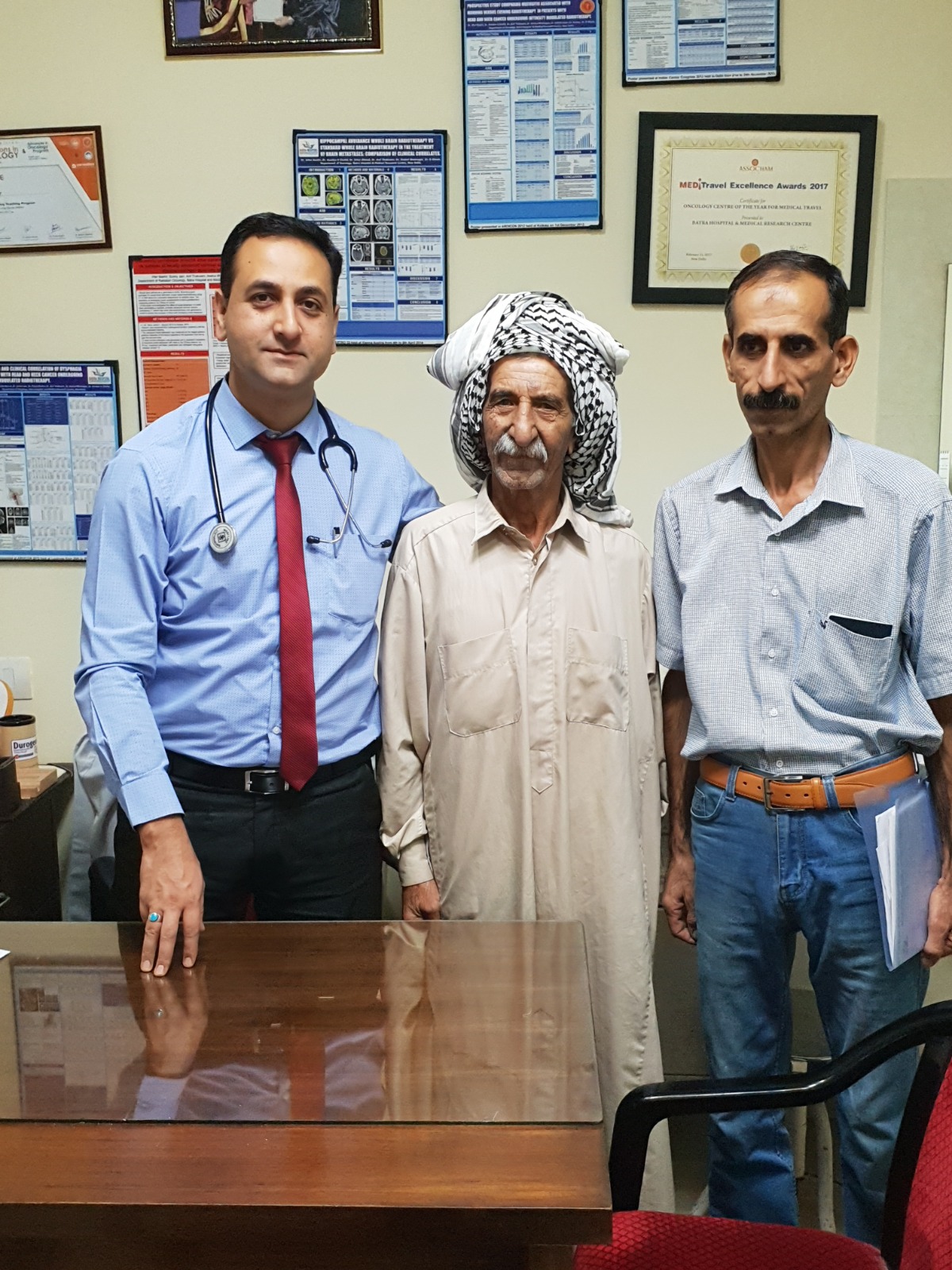
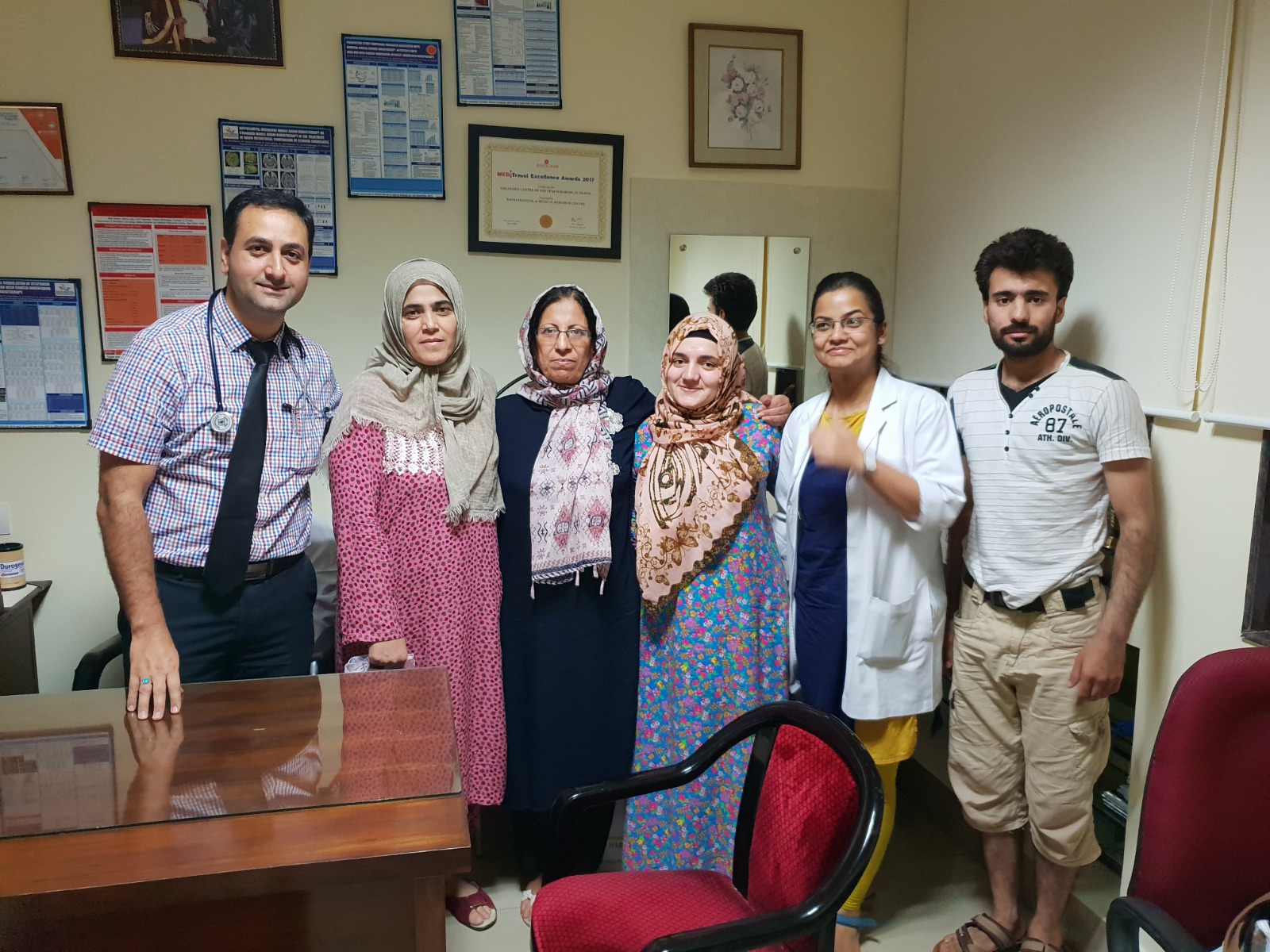
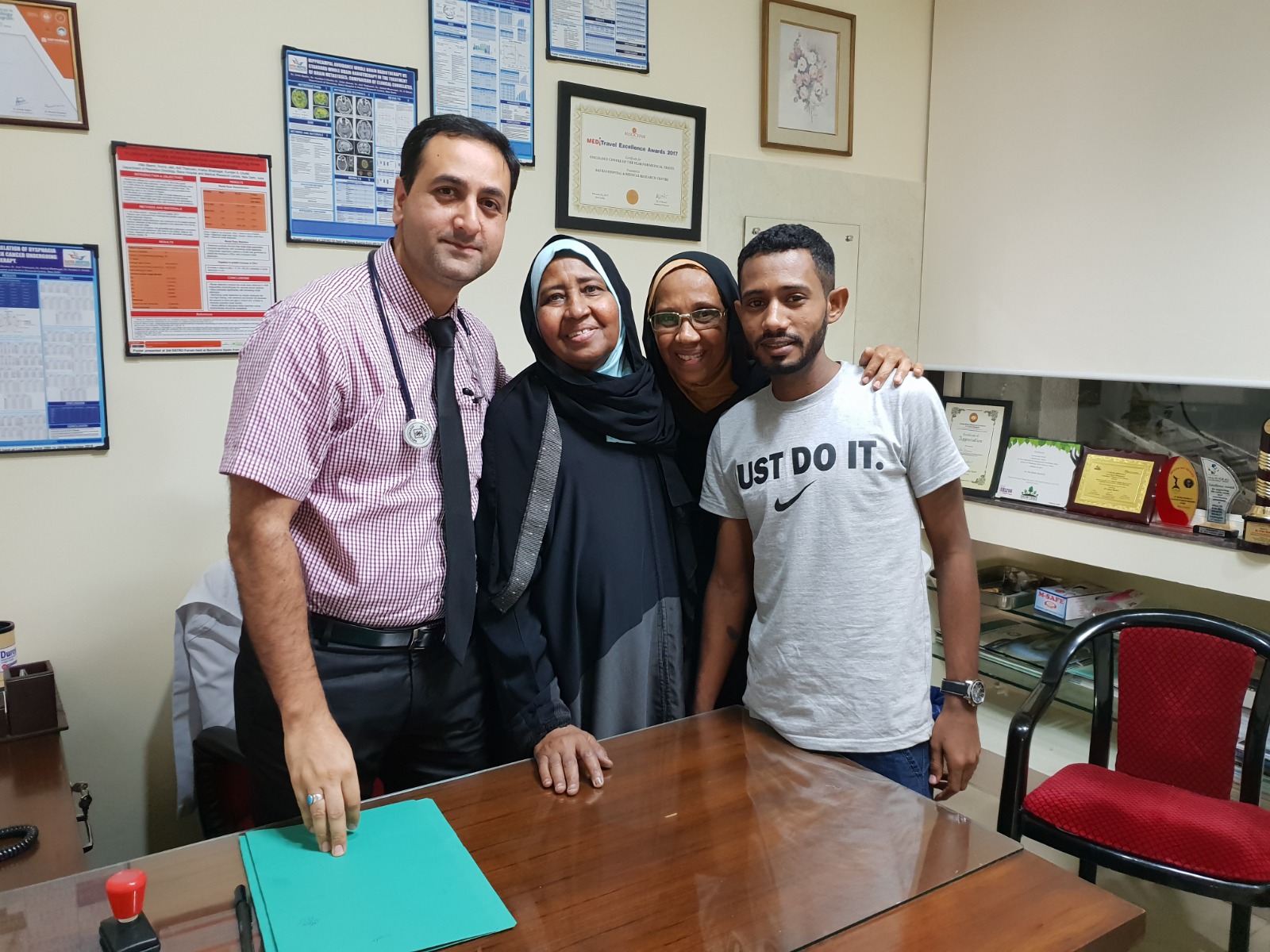
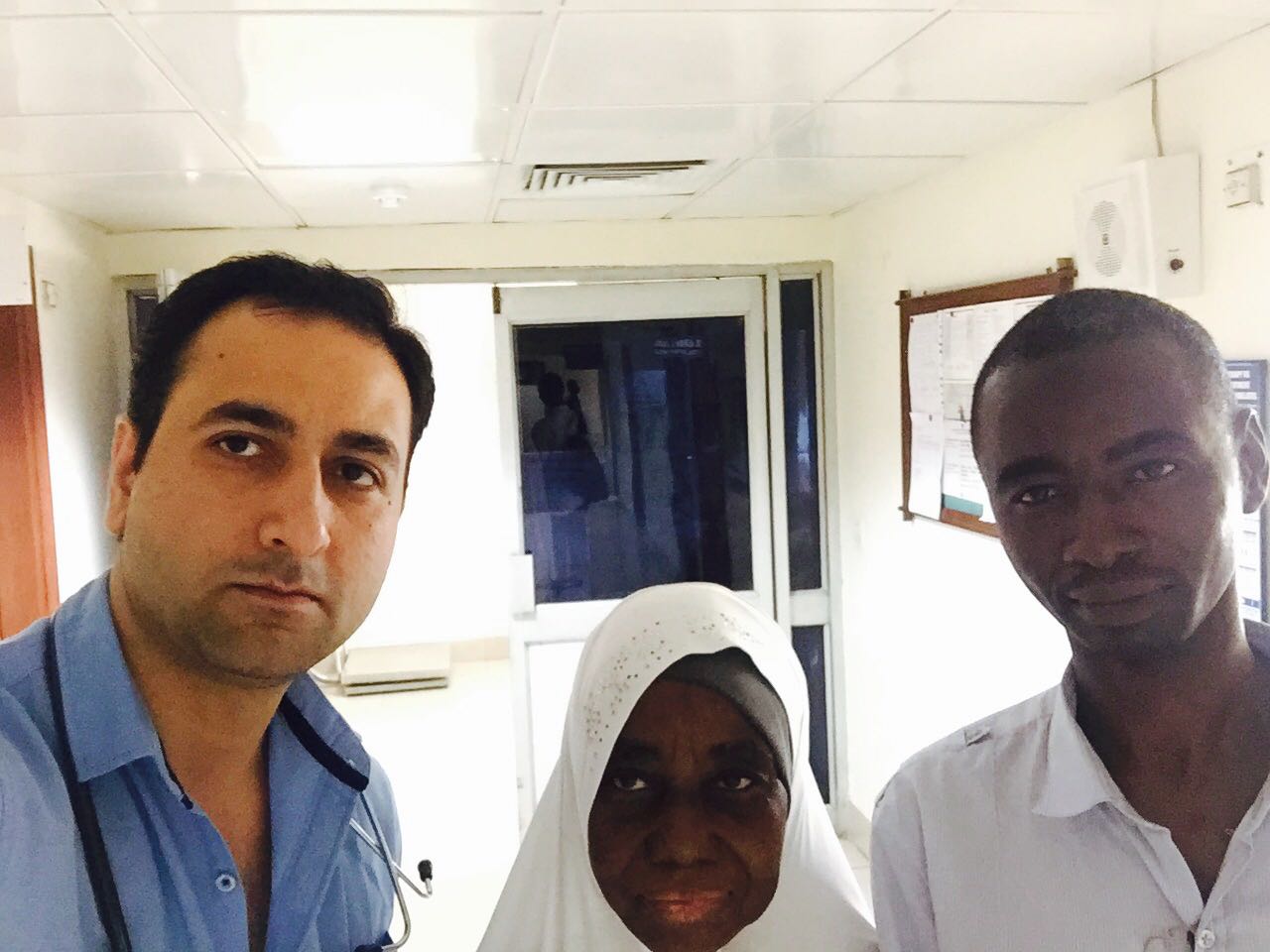
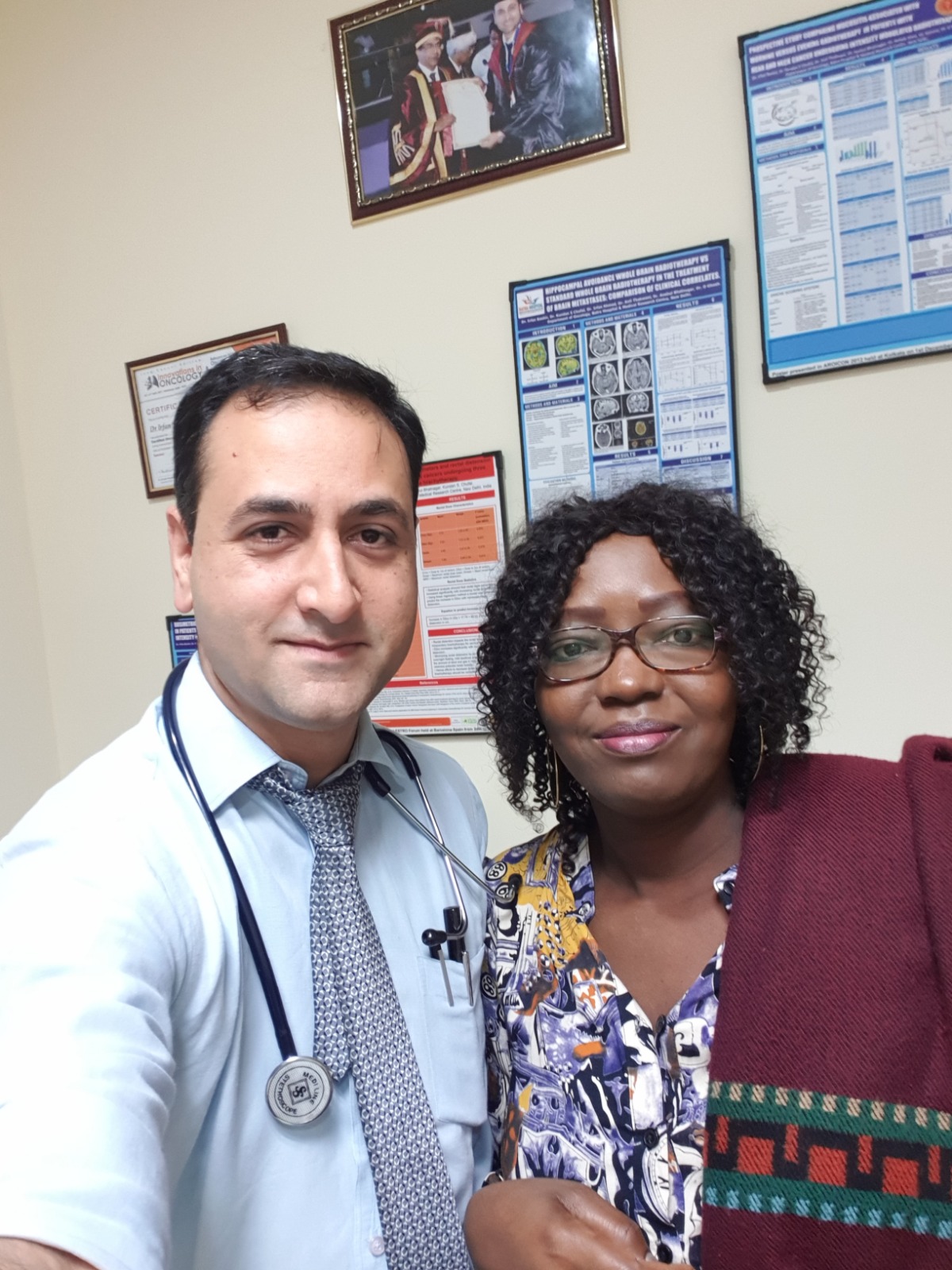
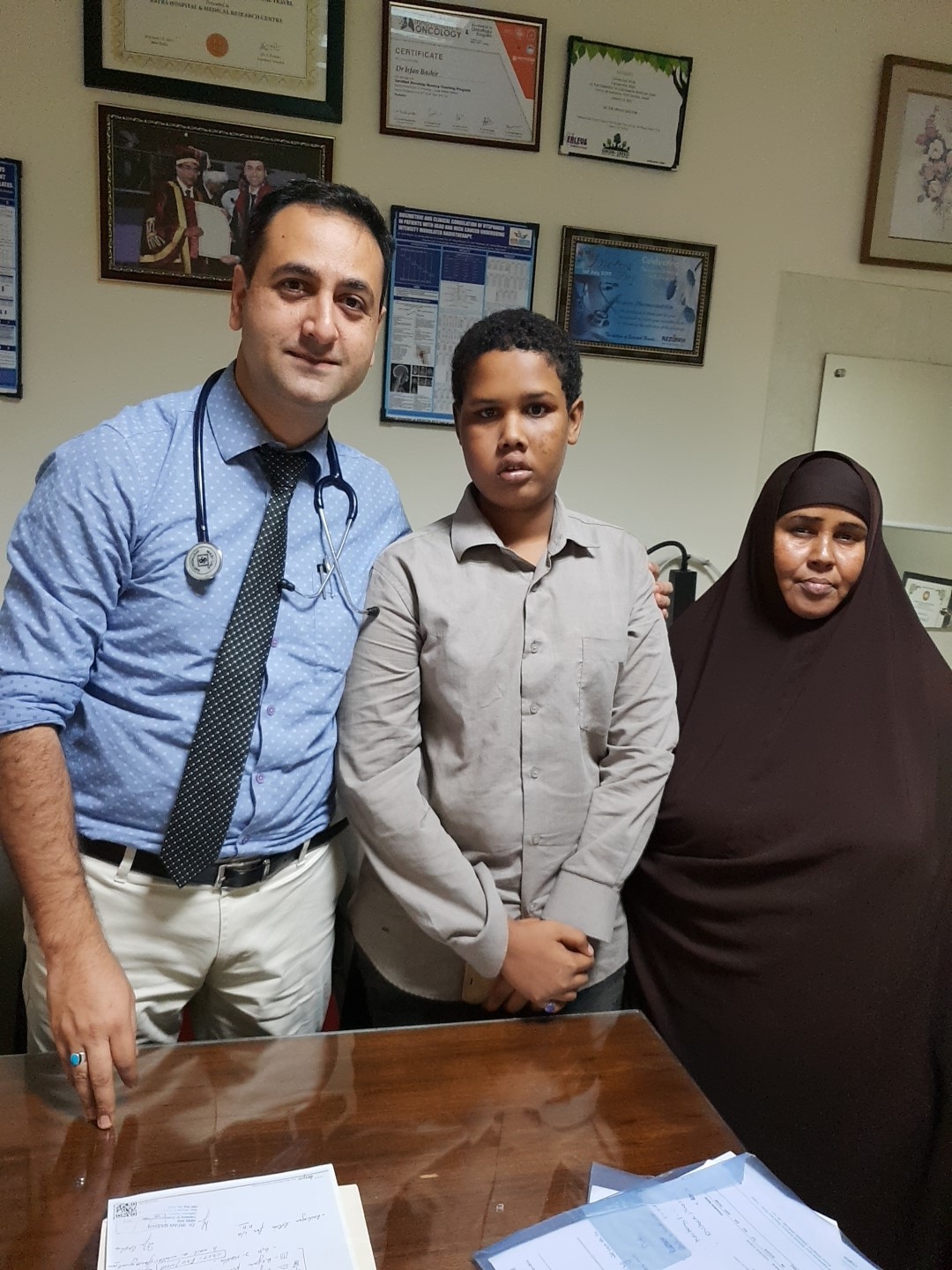
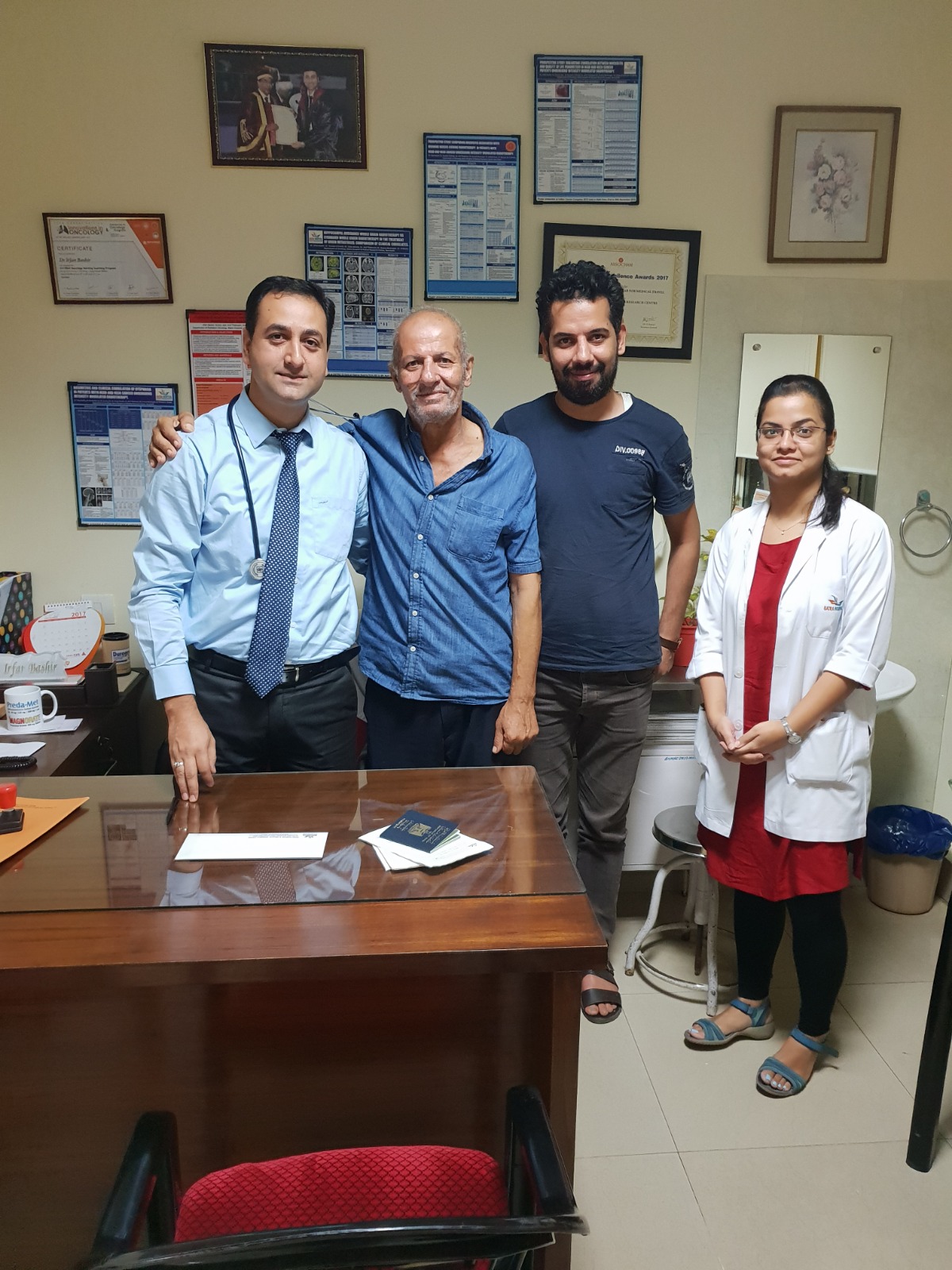

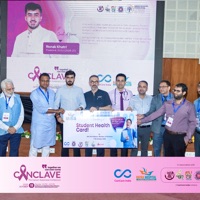
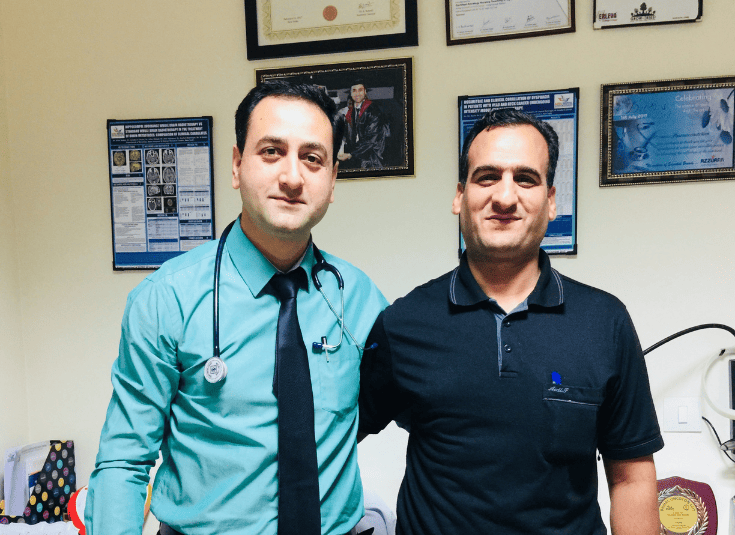
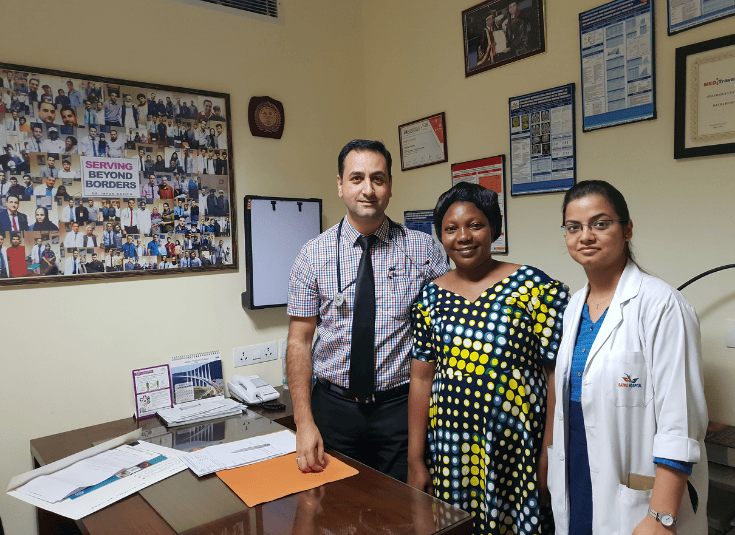
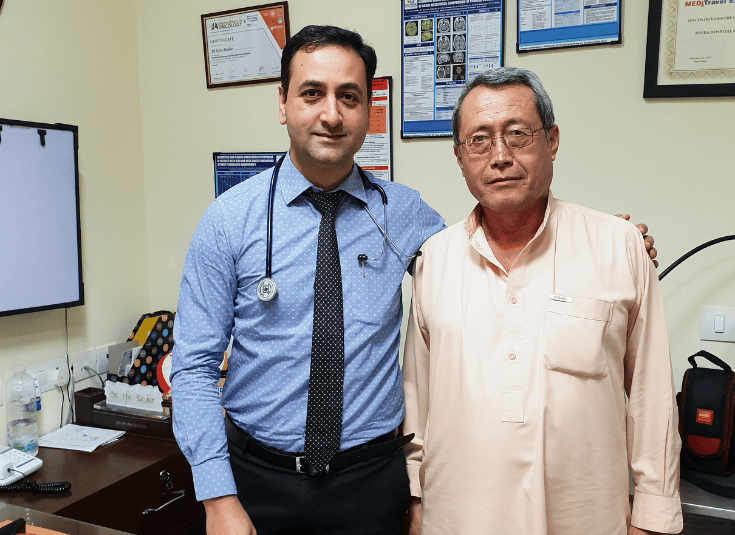
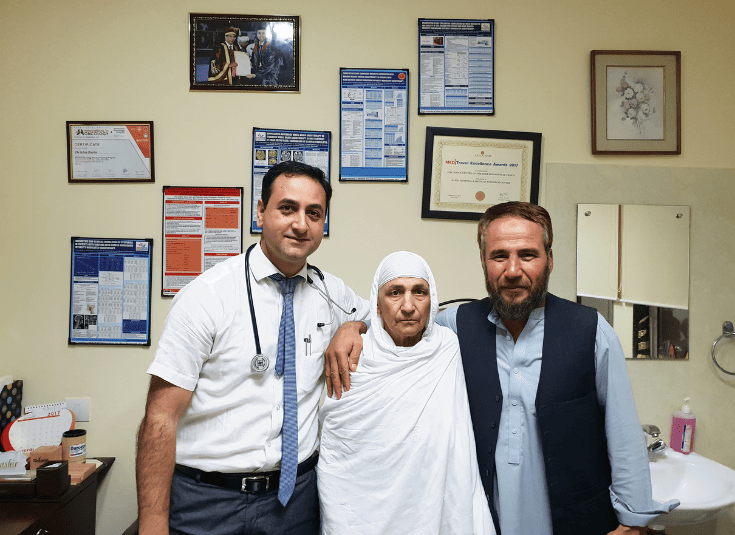
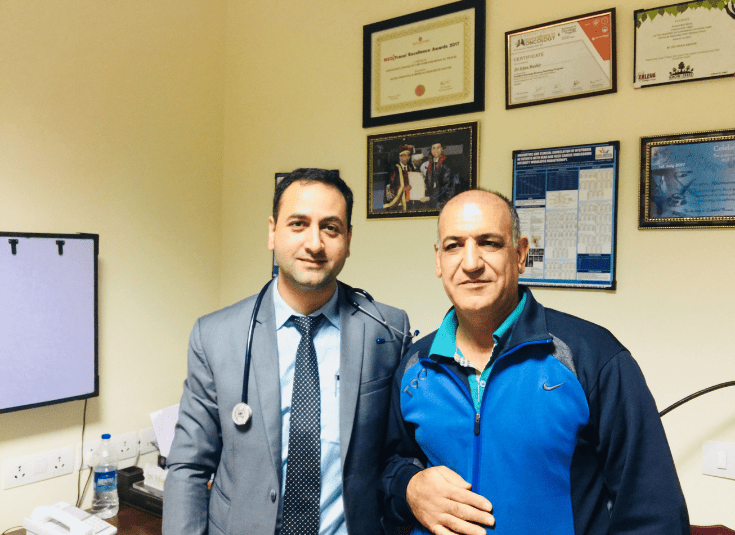
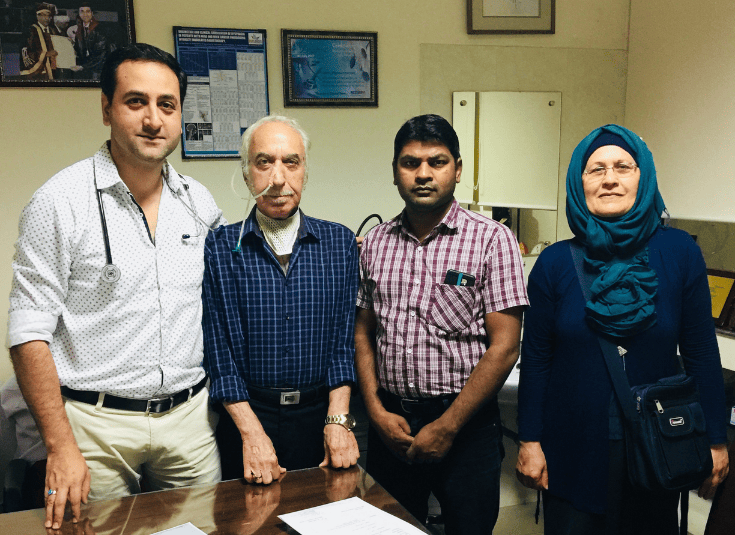
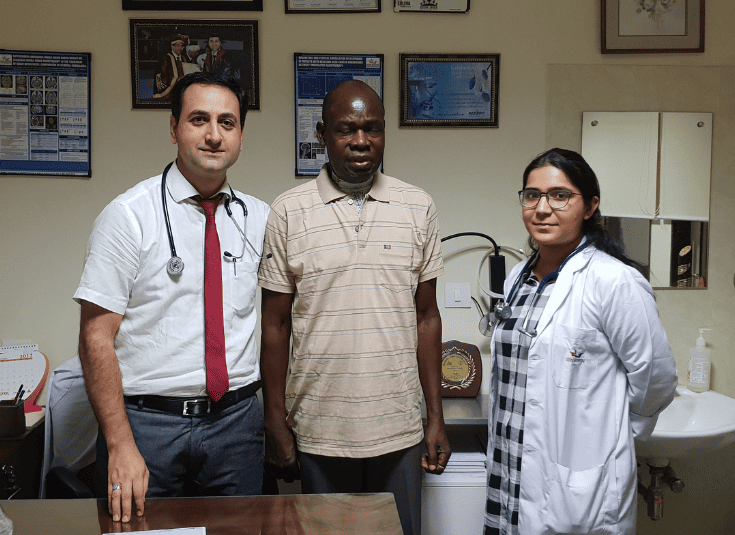
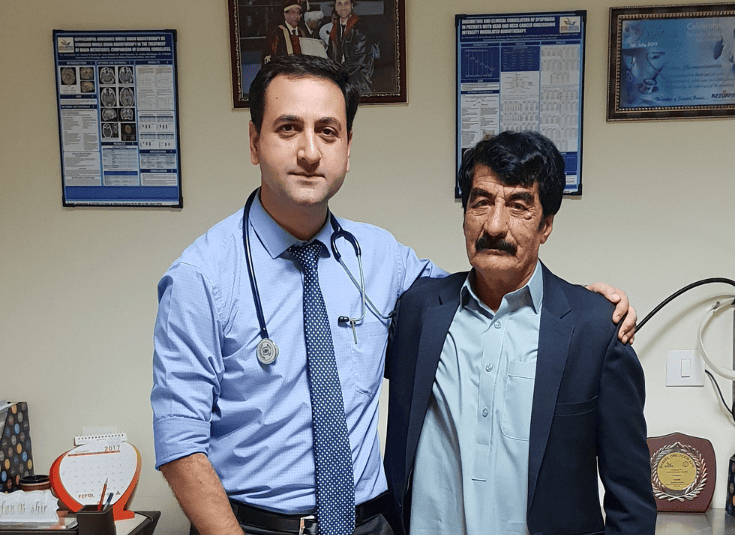
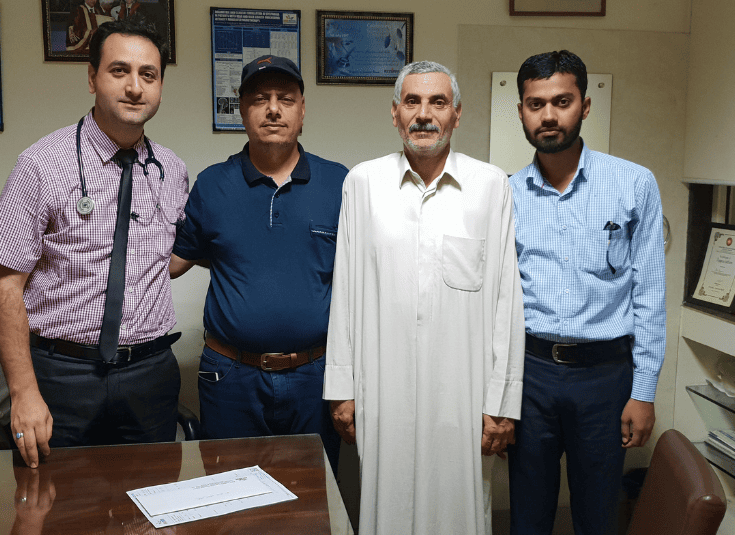
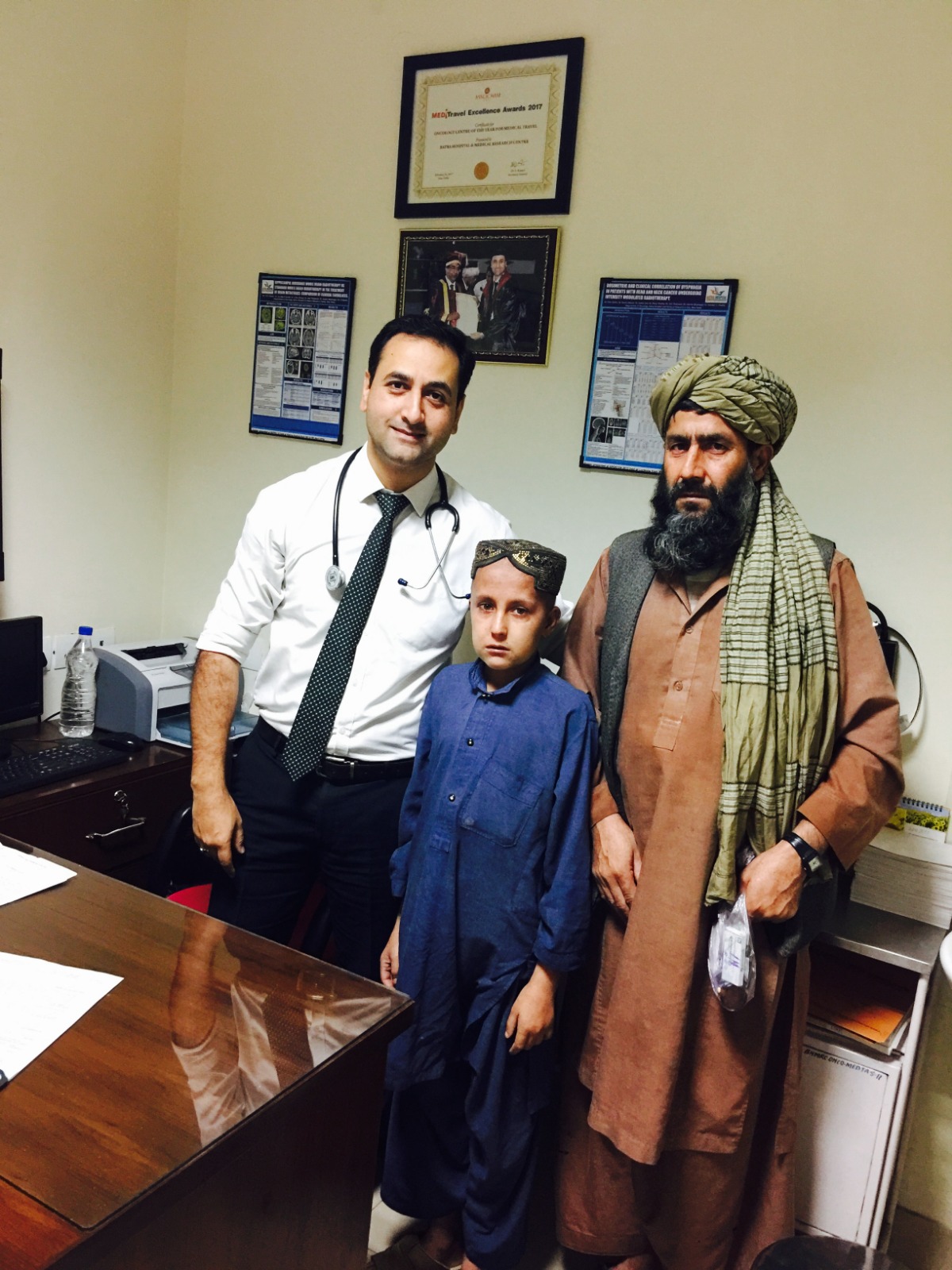
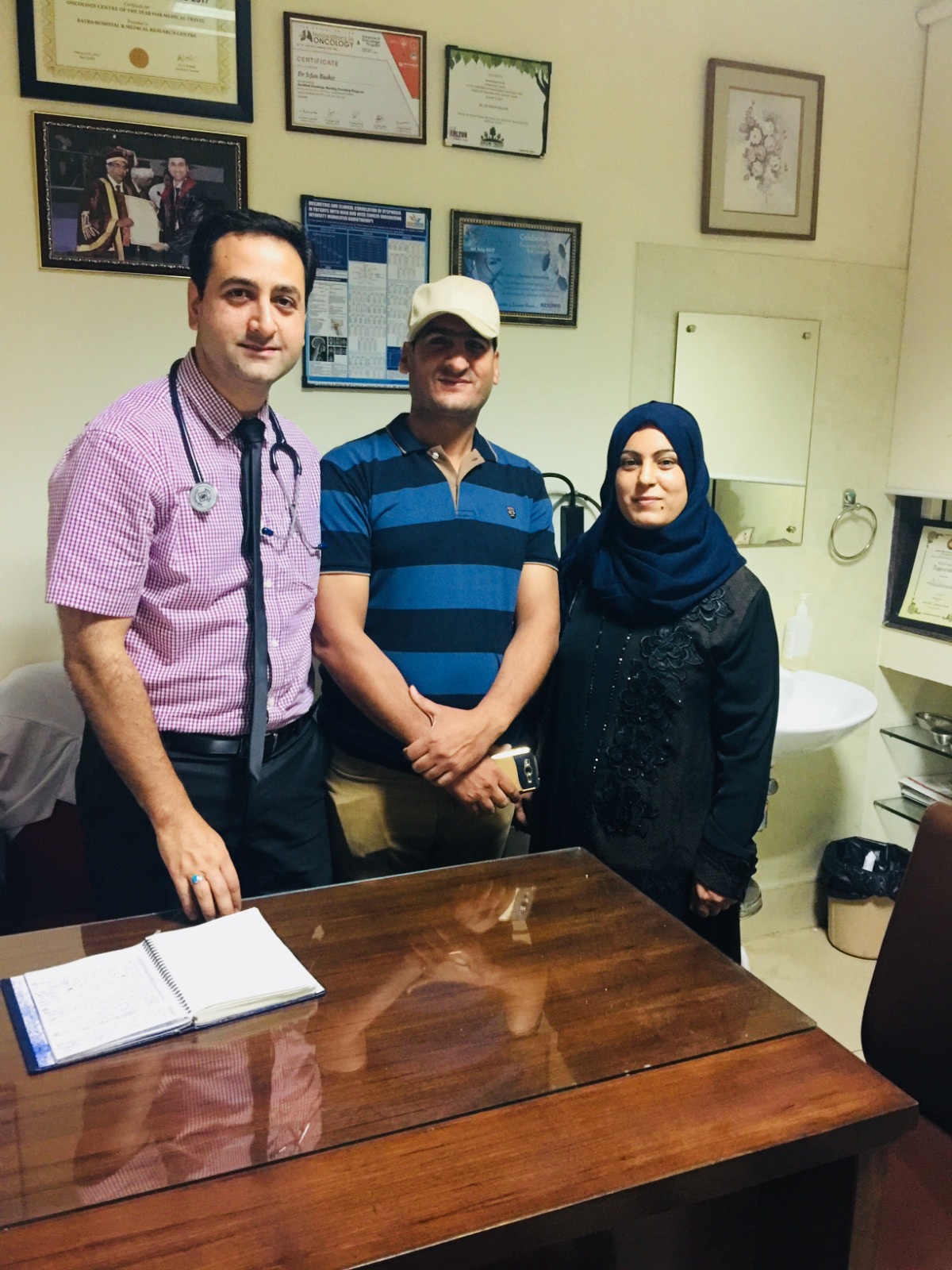
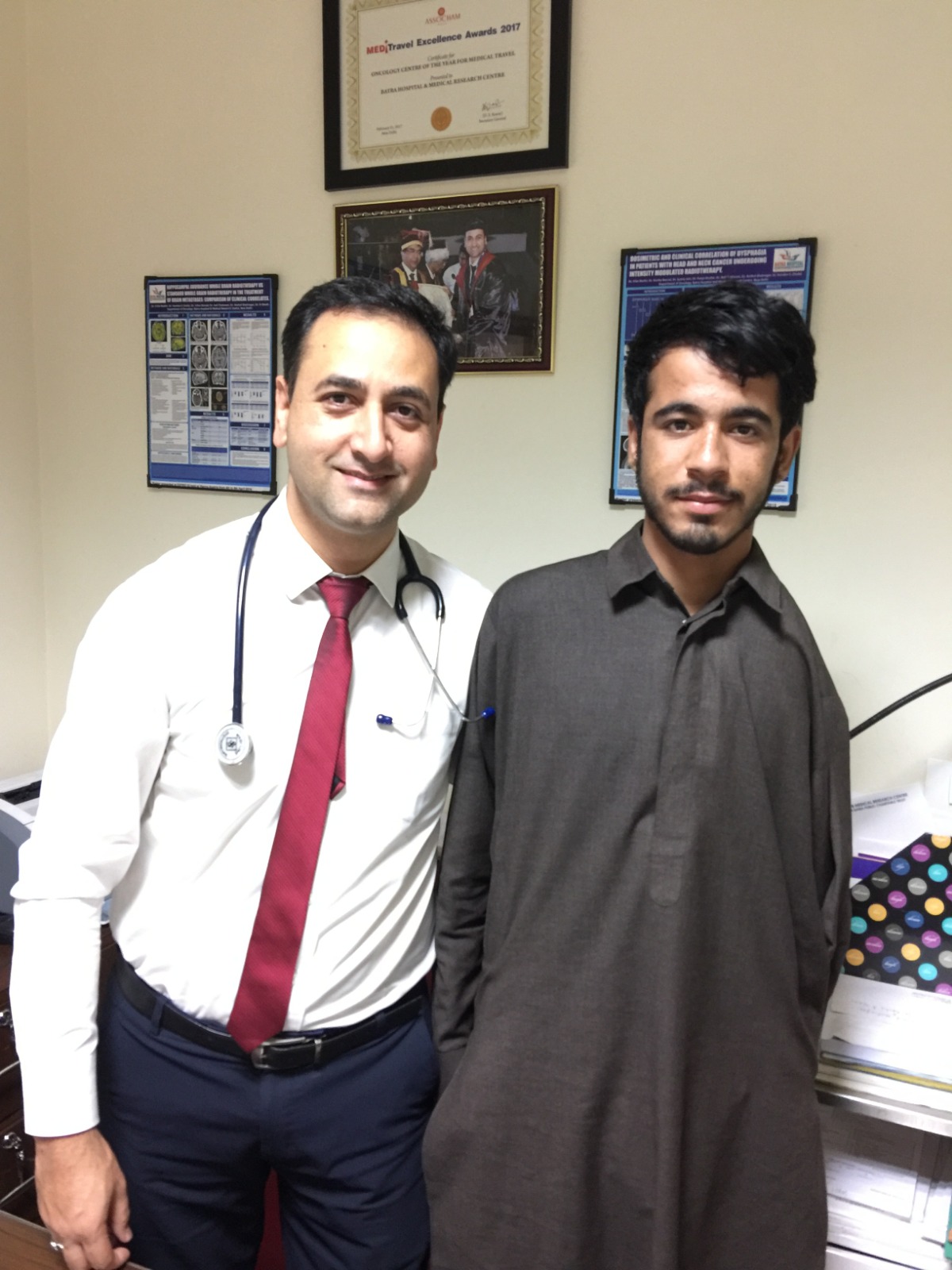
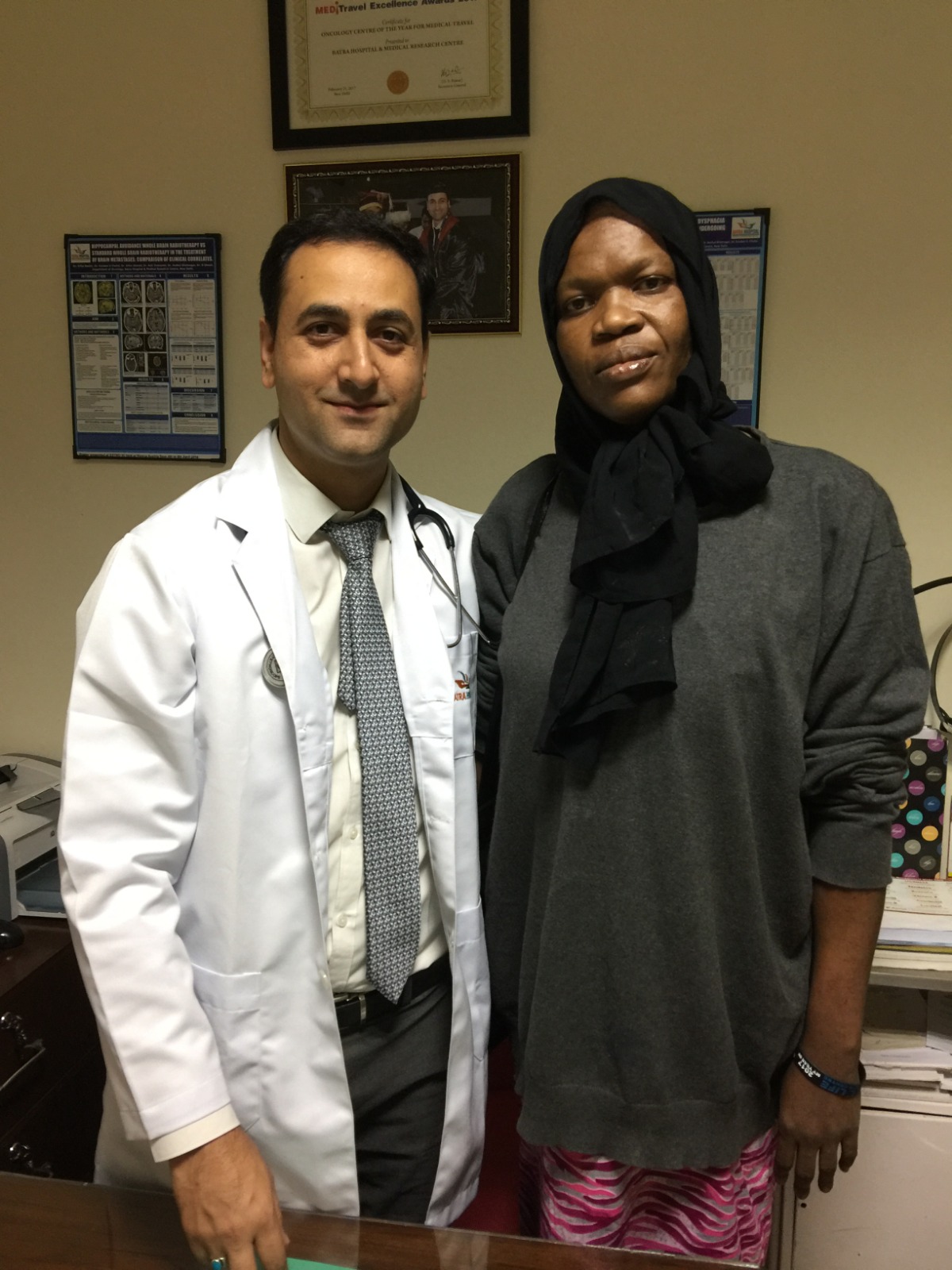
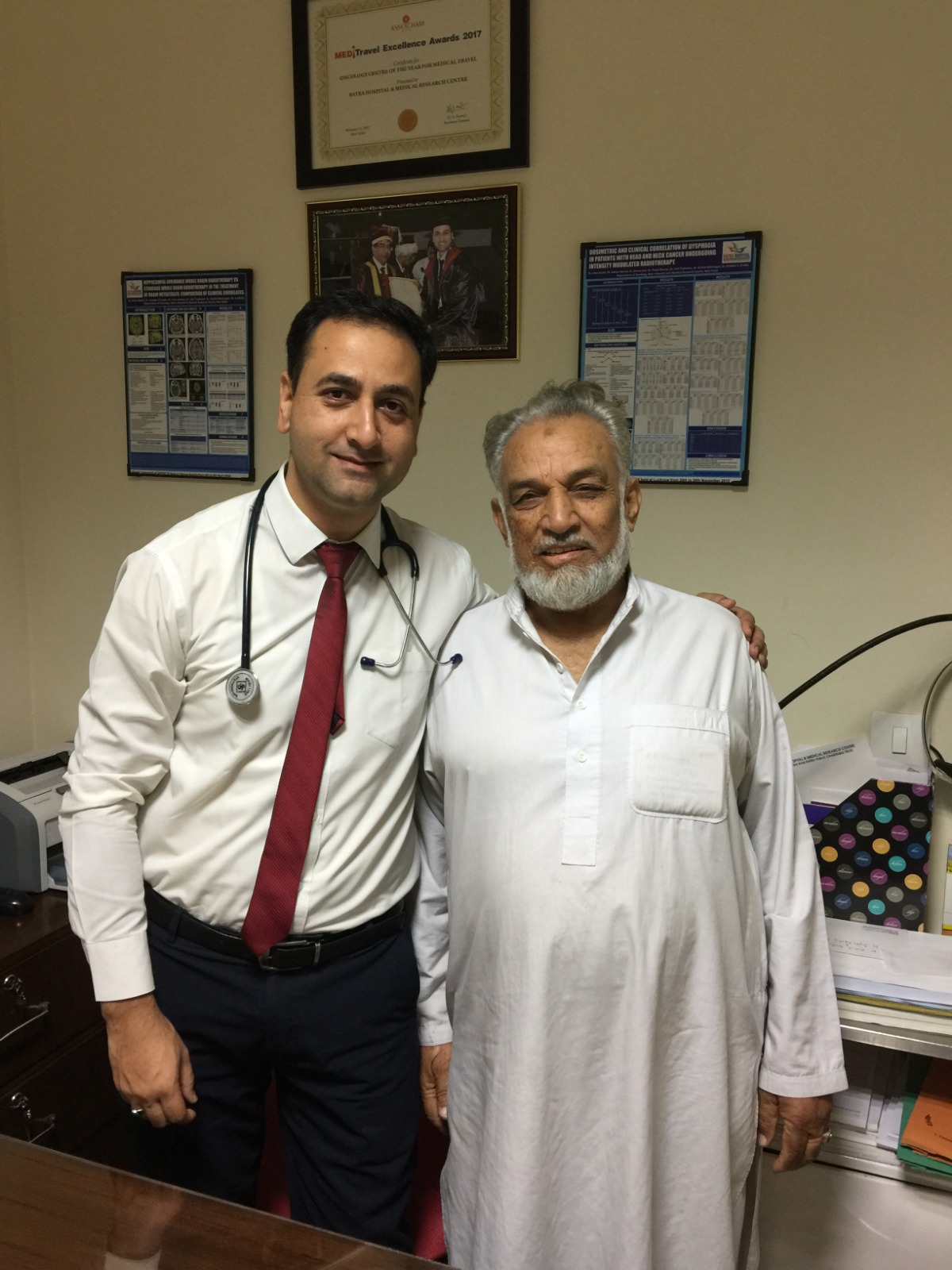
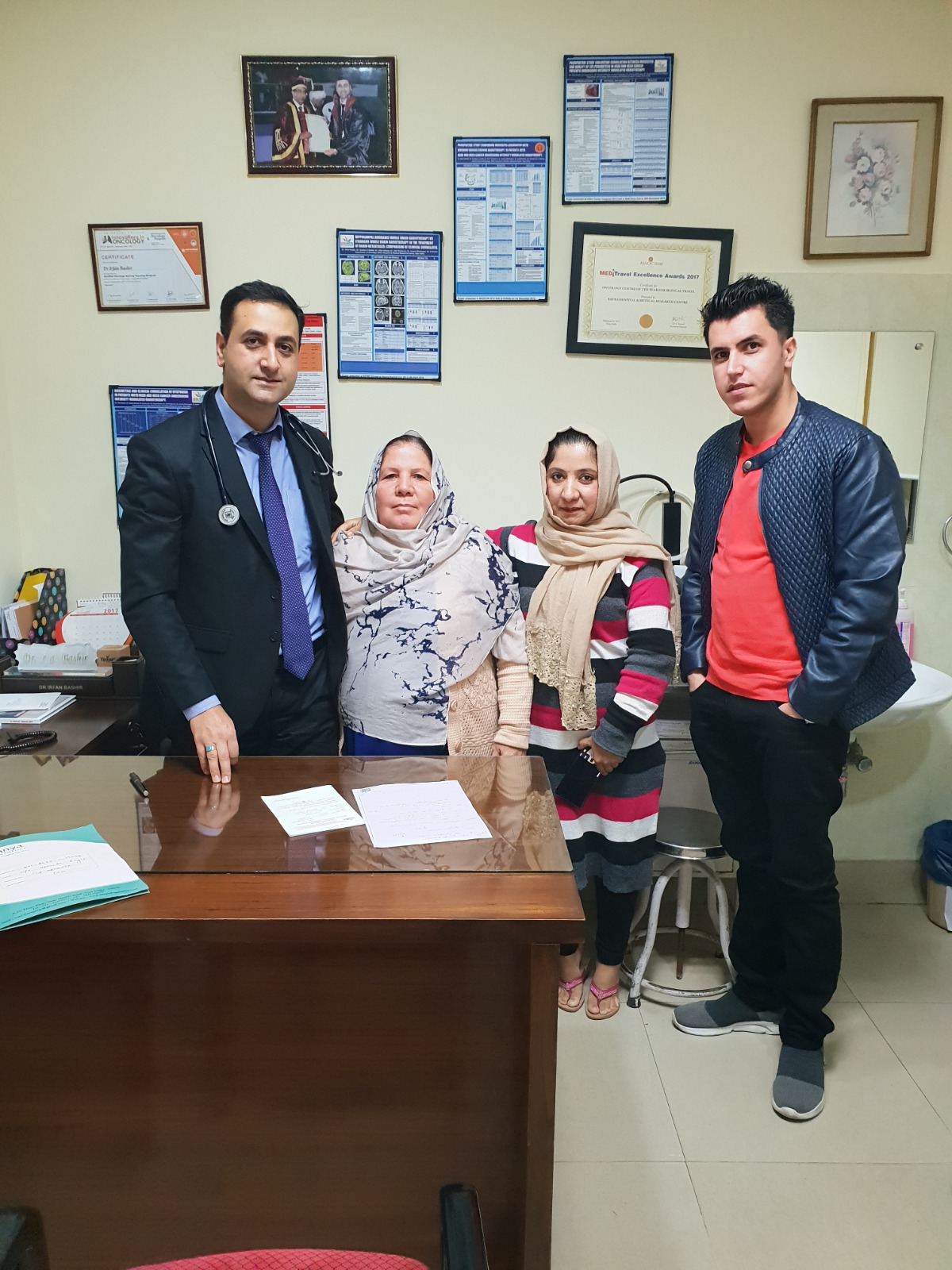
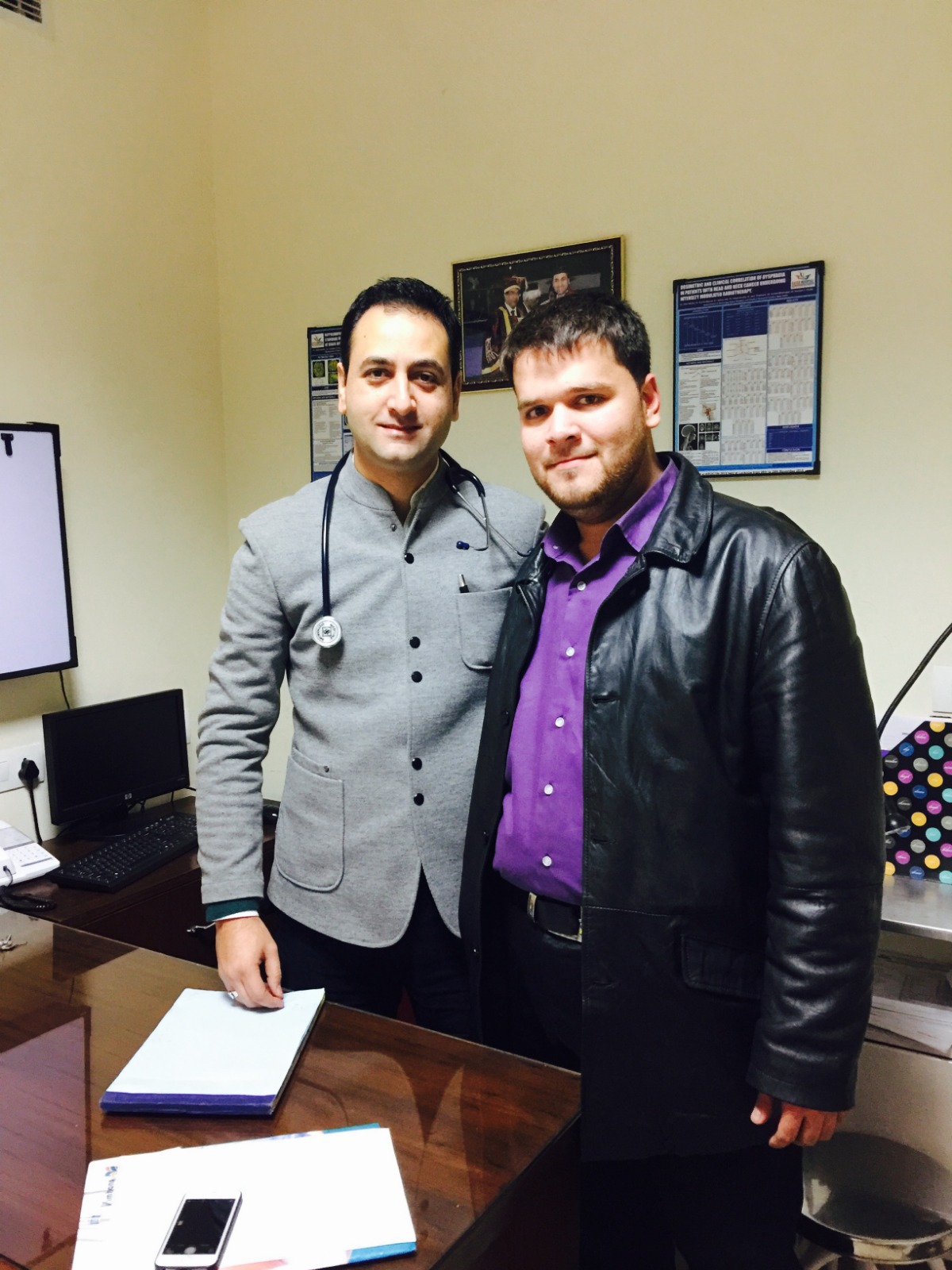
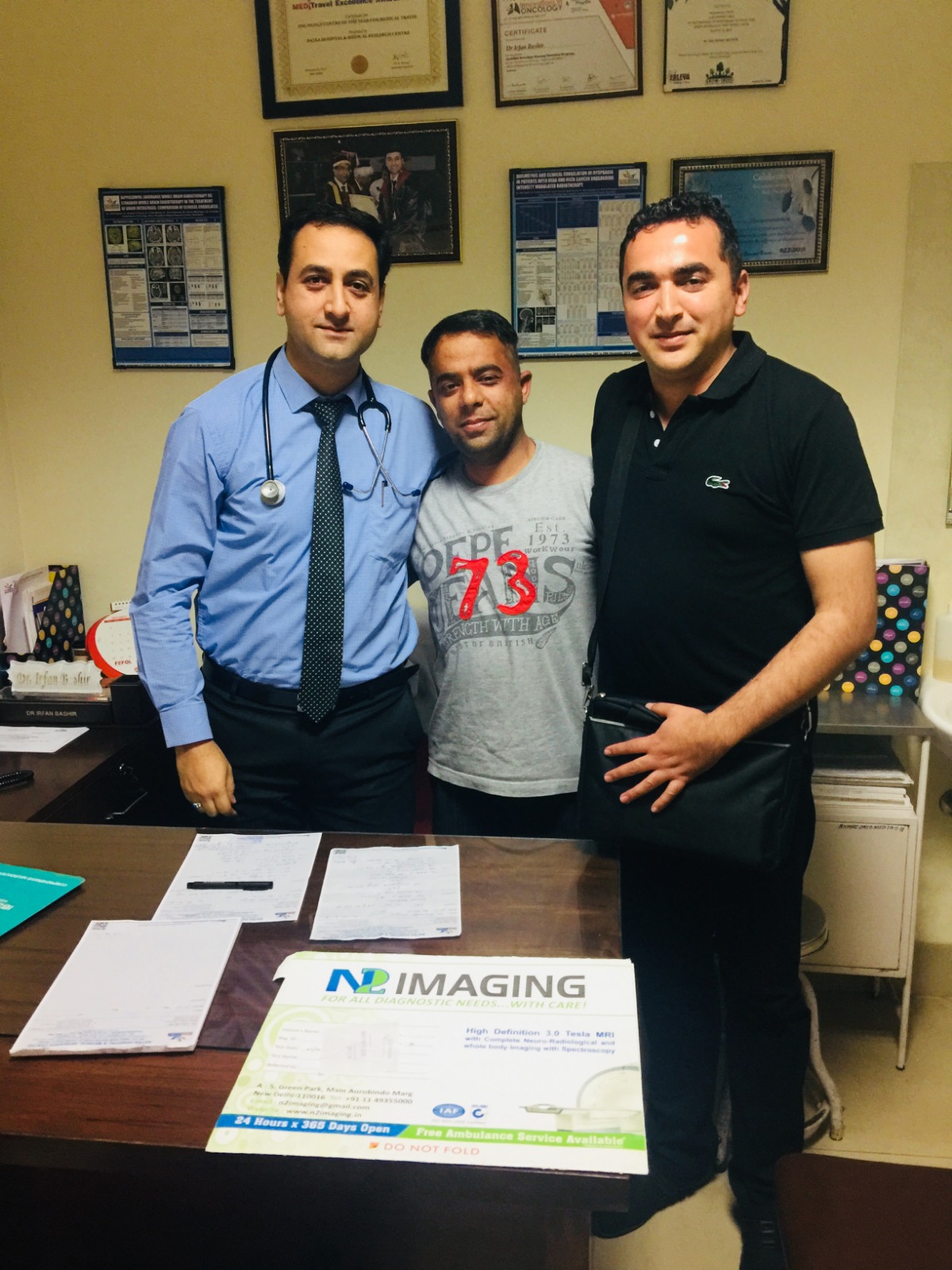
Dr. Irfan Bashir is a highly qualified radiation oncologist, serving as the Senior Consultant and Head of the Department of Radiation Oncology at Batra Hospital & Medical Research Centre in New Delhi since April 2021. He completed his MBBS with a distinction in Pediatrics from Acharya Shri Chandra College, Jammu, and pursued his DNB in Radiotherapy from the National Board of Examinations, New Delhi, in 2011. Dr. Bashir has a comprehensive background in radiation oncology, with expertise in dosimetric studies for head and neck cancers, cervical cancer, and brachytherapy. He has presented his research at prestigious conferences like AROICON, RSNA, and ESTRO. Moreover, he's a lifetime member of various medical societies, emphasizing his commitment to advancing cancer treatment through radiotherapy.
Dr. Irfan Bashir has significantly contributed to the field of radiation oncology through his research and scholarly work. He has co-authored numerous publications in prestigious medical journals, emphasizing the impact of radiotherapy on cancer treatment. Dr. Bashir's research primarily focuses on dosimetric studies, particularly for head and neck cancers, cervical cancer, and the application of brachytherapy. He has presented his findings at renowned conferences, including AROICON, RSNA, and ESTRO, showcasing his expertise and commitment to advancing cancer treatment and patient care. His work is well-regarded in the medical community, reflecting his dedication to clinical research and improving radiotherapy techniques for better patient outcomes. Additionally, his membership in various medical societies highlights his ongoing engagement with the field.
A radiation oncologist is a medical specialist focused on treating cancer using radiation therapy. In New Delhi, radiation oncologists play a crucial role in designing and implementing radiation treatment plans tailored to individual patients' needs. They utilize advanced technologies like IMRT (Intensity-Modulated Radiation Therapy), IGRT (Image-Guided Radiation Therapy), and more to precisely target cancer cells while sparing healthy tissues. The radiation oncologist works as part of a multidisciplinary team alongside surgeons and medical oncologists to provide comprehensive cancer care. They also monitor and adjust treatment plans based on patient response and manage any side effects, ensuring patients receive optimal and safe radiation therapy for their specific type of cancer.
IMRT, or Intensity-Modulated Radiation Therapy, is an advanced form of radiation therapy that allows for precise targeting of tumors while minimizing exposure to surrounding healthy tissues. In contrast to conventional radiation therapy, which typically uses a uniform radiation beam, IMRT employs multiple small beams of varying intensities. This permits the radiation dose to conform closely to the 3D shape of the tumor, thereby enhancing treatment effectiveness and reducing side effects. In New Delhi, radiation oncologists using IMRT can treat complex cases such as prostate, head, neck, and lung cancers. IMRT’s advanced precision is a key advantage, offering improved tumor control and quality of life for patients.
IGRT, or Image-Guided Radiation Therapy, enhances radiation treatment by utilizing imaging techniques before and during each radiation session. This allows radiation oncologists in New Delhi to precisely locate and target tumors with high accuracy. By using IGRT, treatment plans can be adjusted in real time to account for tumor movements caused by breathing or other bodily functions, ensuring radiation is delivered exactly where needed. This level of precision minimizes damage to surrounding healthy tissues and improves treatment outcomes. IGRT is especially beneficial for cancers in areas prone to movement, such as the lungs or abdomen, and contributes significantly to the effectiveness and safety of radiation therapy.
SBRT, or Stereotactic Body Radiation Therapy, is a specialized form of radiation treatment that delivers very high doses of radiation to small, well-defined tumors. Unlike regular radiation therapy, which may require weeks of treatment, SBRT typically involves fewer sessions due to its high precision and intensity. In New Delhi, radiation oncologists utilize SBRT for treating small tumors in the lungs, liver, spine, and other areas of the body where precision is crucial. The ability to deliver such targeted treatment allows for better tumor control and potentially higher cure rates, with fewer side effects compared to conventional methods. SBRT is particularly advantageous for patients with early-stage cancer or those unable to undergo surgery.
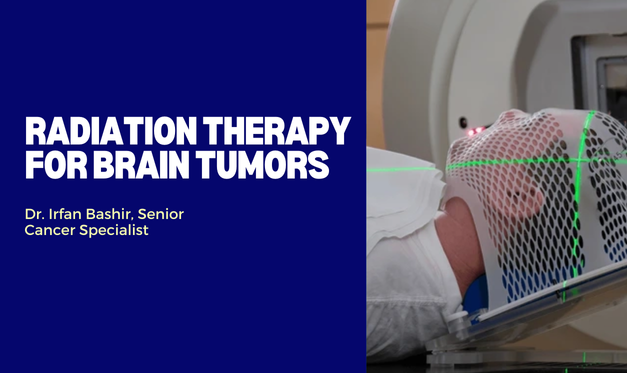
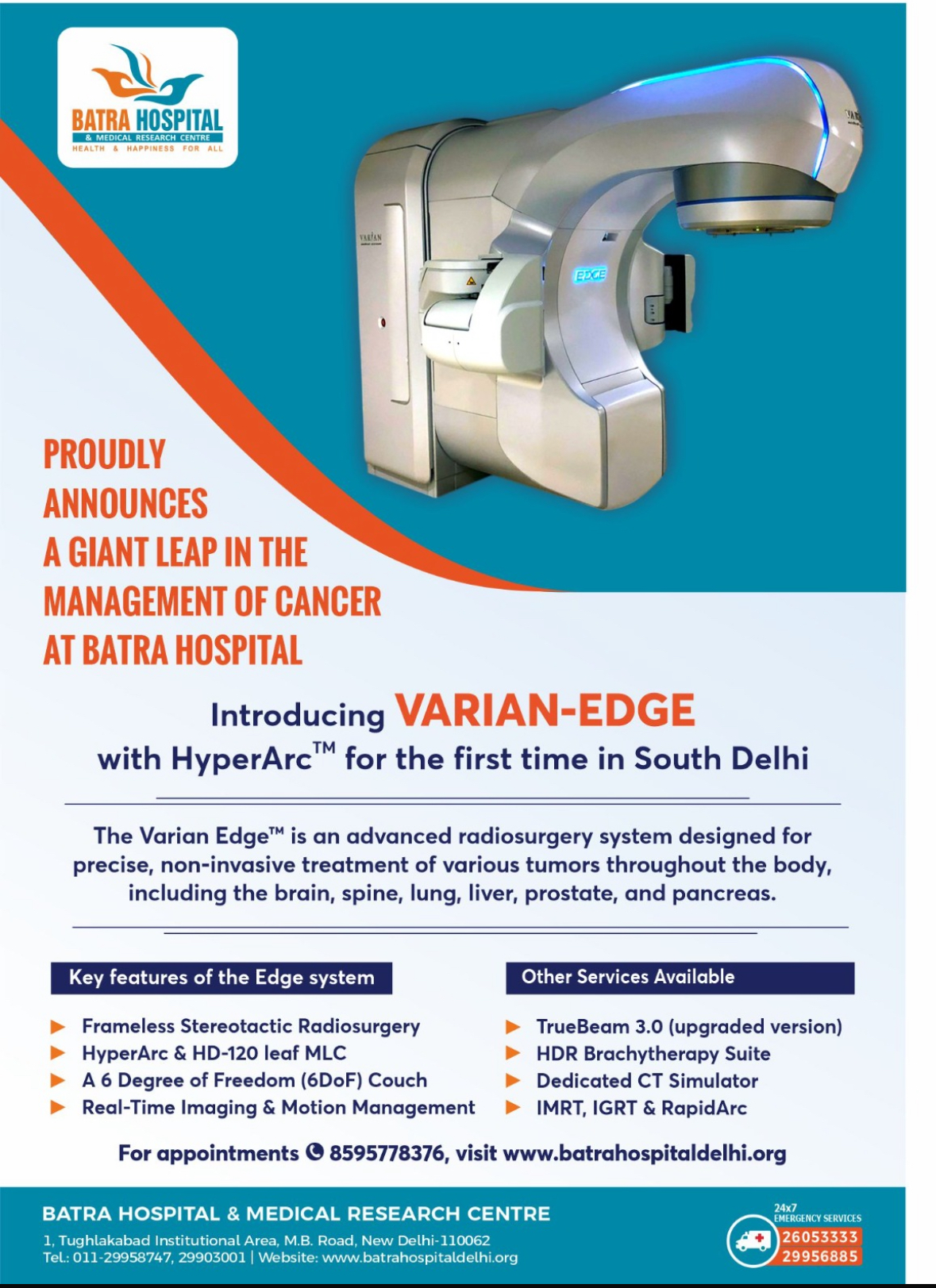
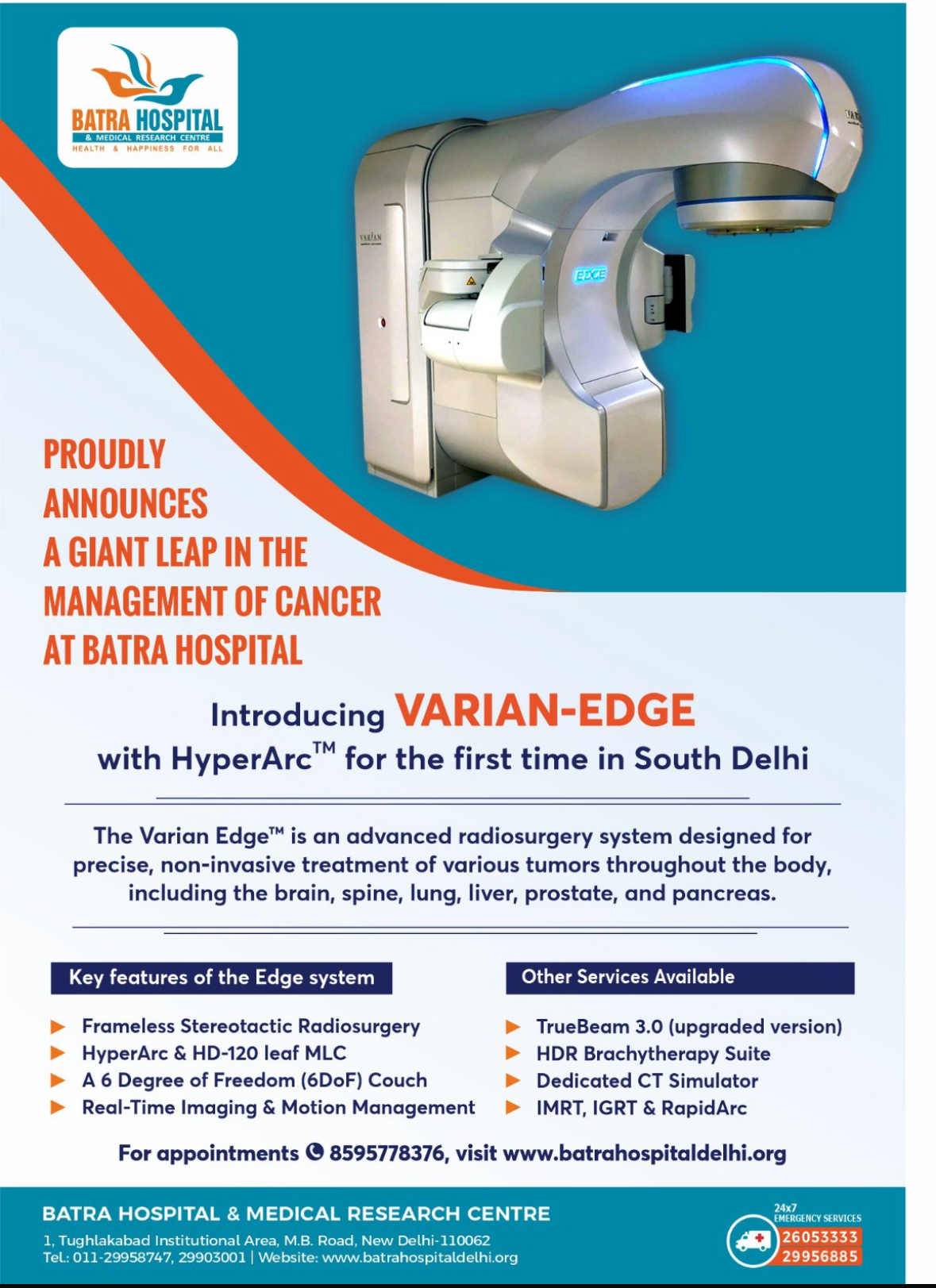
SRS, or Stereotactic Radiosurgery, is a non-invasive form of radiation therapy used primarily for treating brain tumors and other neurological disorders. SRS delivers a single, high-dose radiation treatment with extreme precision, minimizing exposure to surrounding brain tissues. This technique is beneficial for small brain tumors, arteriovenous malformations, and functional disorders such as trigeminal neuralgia. In New Delhi, radiation oncologists employ SRS as an alternative to traditional surgery, especially for patients who are not good surgical candidates. It offers patients the benefits of shorter recovery times, lower risks of infection, and fewer complications. SRS’s precision and effectiveness make it a critical option in the arsenal of radiation oncology for treating brain-related conditions.
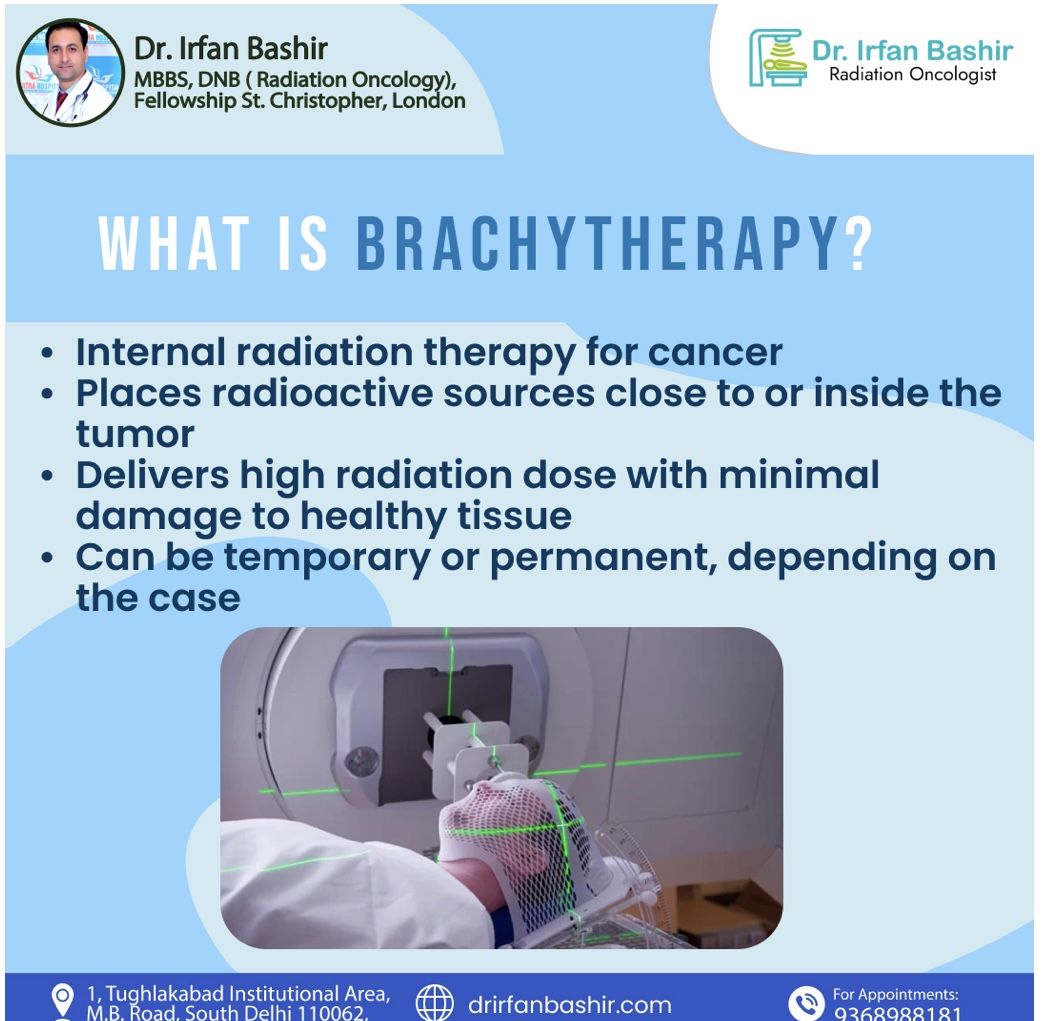
Brachytherapy, also known as internal radiation therapy, involves placing radioactive sources directly inside or near a tumor. This allows for a high radiation dose to the targeted area while limiting exposure to surrounding healthy tissues. In New Delhi, radiation oncologists use brachytherapy to treat various cancers, including cervical, prostate, and breast cancer. The benefits of brachytherapy include shorter treatment times, fewer side effects, and often superior outcomes for certain cancer types. It is particularly effective in treating localized cancers where precise, high-dose radiation is required. Patients undergoing brachytherapy typically experience fewer long-term side effects, making it a preferred choice for certain oncological conditions.
Radiation oncologists in New Delhi conduct a thorough evaluation of a patient’s medical history, type of cancer, stage, and overall health to determine the most appropriate radiation therapy. They consider factors such as tumor size, location, and proximity to sensitive structures. Advanced imaging techniques help in precisely mapping out the tumor area. Based on this comprehensive assessment, the oncologist may choose from modalities like IMRT, IGRT, SBRT, or brachytherapy. Collaboration with a multidisciplinary team ensures a customized treatment plan that maximizes effectiveness while minimizing side effects. Ongoing monitoring allows for adjustments to be made, ensuring the therapy remains aligned with the patient's evolving needs and response to treatment.
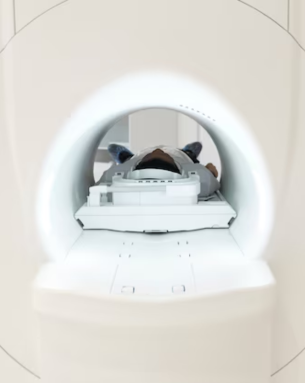
Patients undergoing radiation therapy in New Delhi can expect a series of steps during their treatment sessions. Initially, they will undergo a preparatory session to plan and simulate treatment, called a planning CT or MRI scan, which helps define the exact location and shape of the tumor. During each treatment session, the patient will lie still on a treatment table while the radiation machine is positioned around them. Techniques such as IGRT may be used for precise targeting. Each session typically lasts about 15-30 minutes and is painless. Side effects, if any, may develop over time and vary depending on the treatment area. Regular follow-ups with the radiation oncologist help manage any concerns and side effects effectively.
Radiation therapy can lead to a range of side effects, depending on the treatment's area and duration. Common side effects include skin irritation, fatigue, and localized pain or discomfort. For instance, patients receiving head or neck radiation may experience issues like dry mouth or difficulty swallowing, while those treated for pelvic cancers might encounter gastrointestinal disturbances. In New Delhi, radiation oncologists utilize techniques like IMRT and IGRT to minimize side effects by precisely targeting tumors. Most side effects are temporary and can be managed with medication or lifestyle adjustments. Regular consultation with healthcare providers ensures side effects are monitored and addressed promptly, helping maintain the patient’s quality of life during and after treatment.
Collaboration with other specialists is crucial for radiation oncologists in New Delhi to provide comprehensive cancer care. Working alongside medical oncologists, surgeons, radiologists, and other healthcare professionals ensures a multidisciplinary approach to treatment planning and execution. This collaboration leads to more accurate cancer staging, better-informed treatment decisions, and a holistic care plan. For example, input from surgeons can influence radiation targeting, while coordination with medical oncologists ensures systemic therapies align with radiation schedules. Furthermore, regular case reviews and discussions help in continuously adjusting treatment protocols based on patient responses, maximizing outcomes. Such teamwork enhances the overall effectiveness of cancer treatment and supports the patient's journey towards recovery.
 Address :1, Tughlakabad Institutional Area, M.B. Road, South Delhi 110062, Delhi